
Your Trusted Project Partner


Our site grading services set the slope and level of your land so it drains well and is ready for whatever comes next. Grading means moving and shaping soil on the surface: cutting down high spots, filling low ones and setting a gentle pitch away from your foundation. Good grading disappears once the grass grows in, yet it decides whether a lawn stays dry, a patio stays flat and a pool deck sheds water. Unlike excavation, which digs down for foundations, pools and trenches, grading works across the surface to get the final shape right.
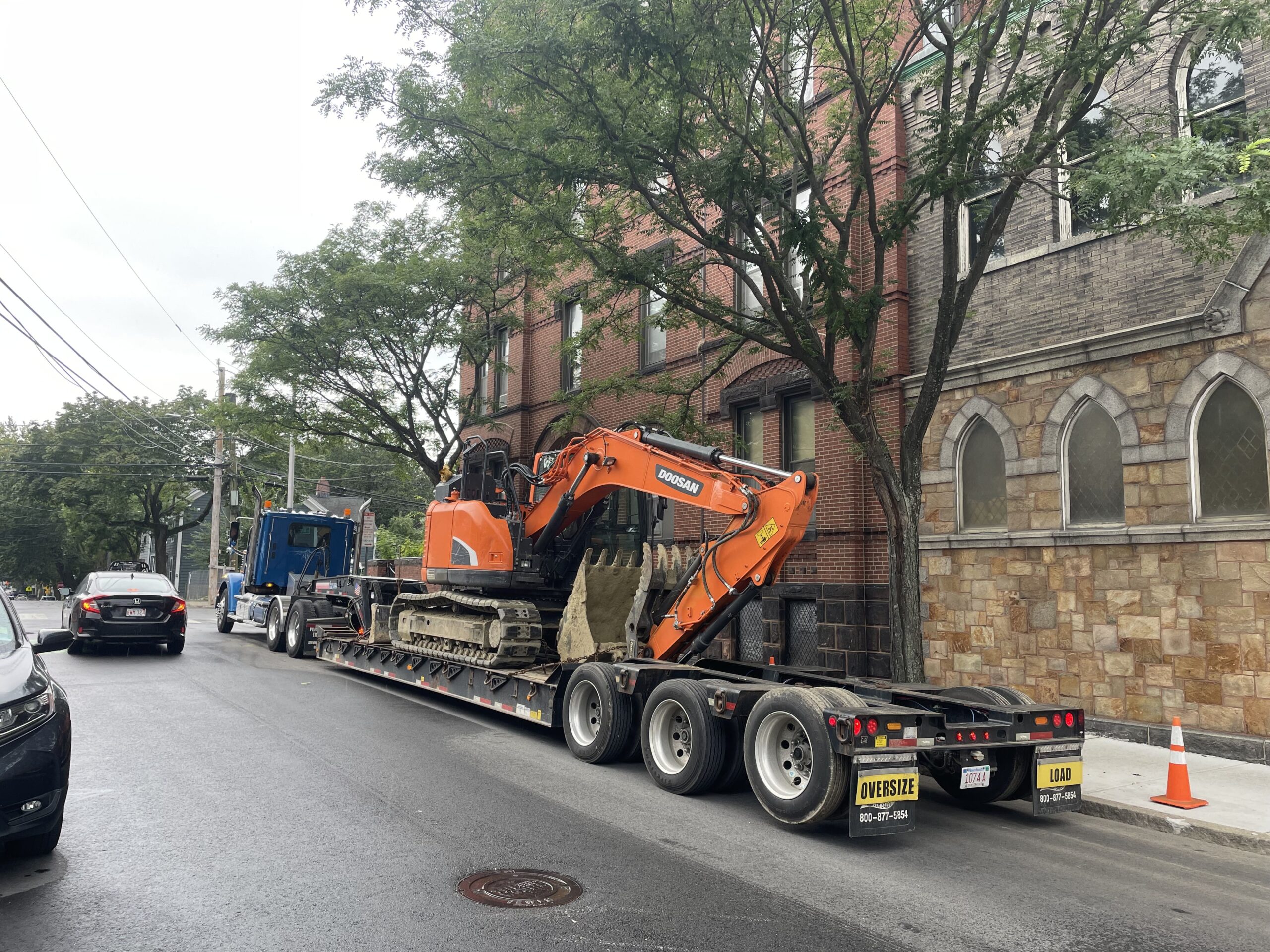
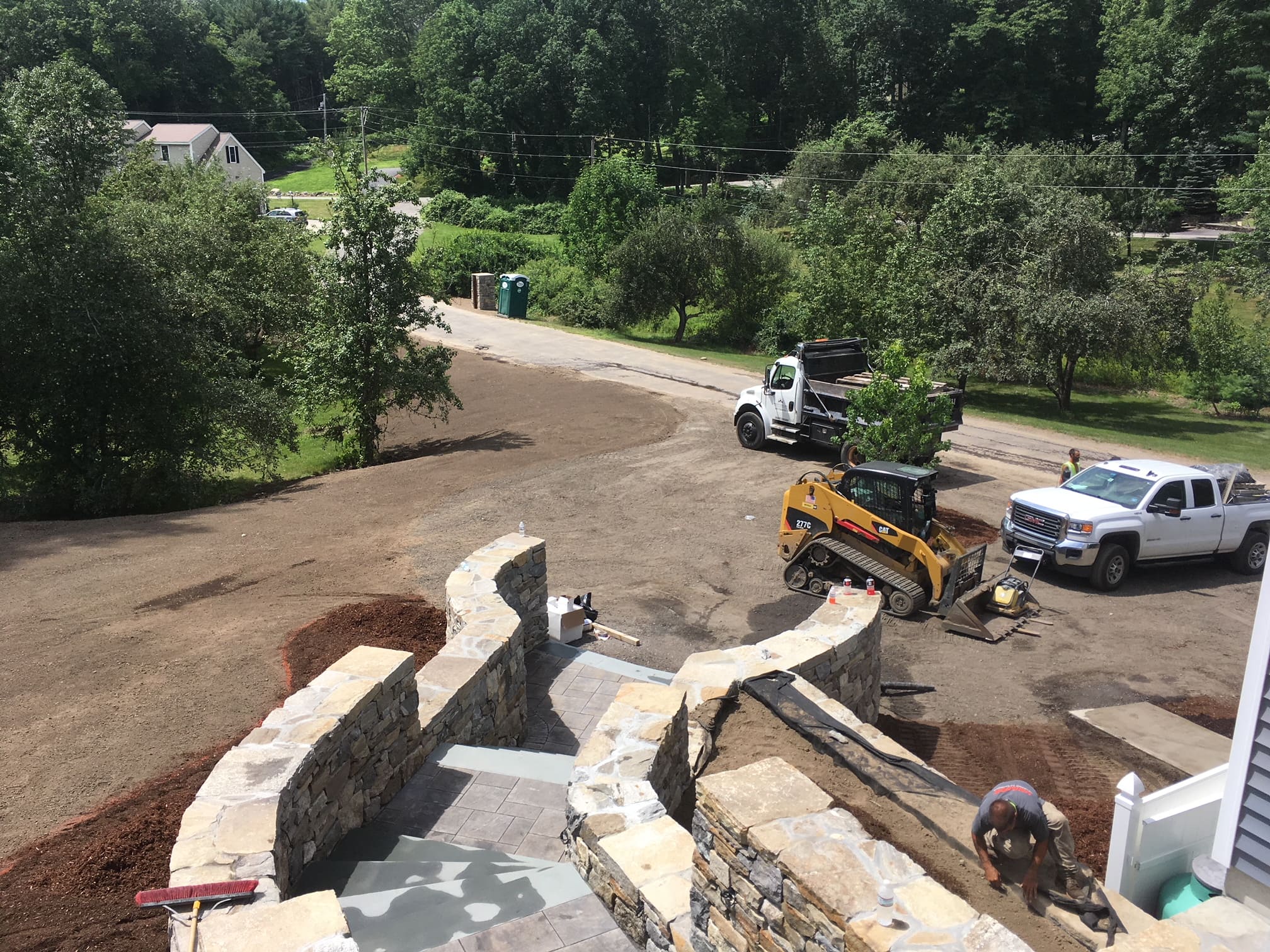
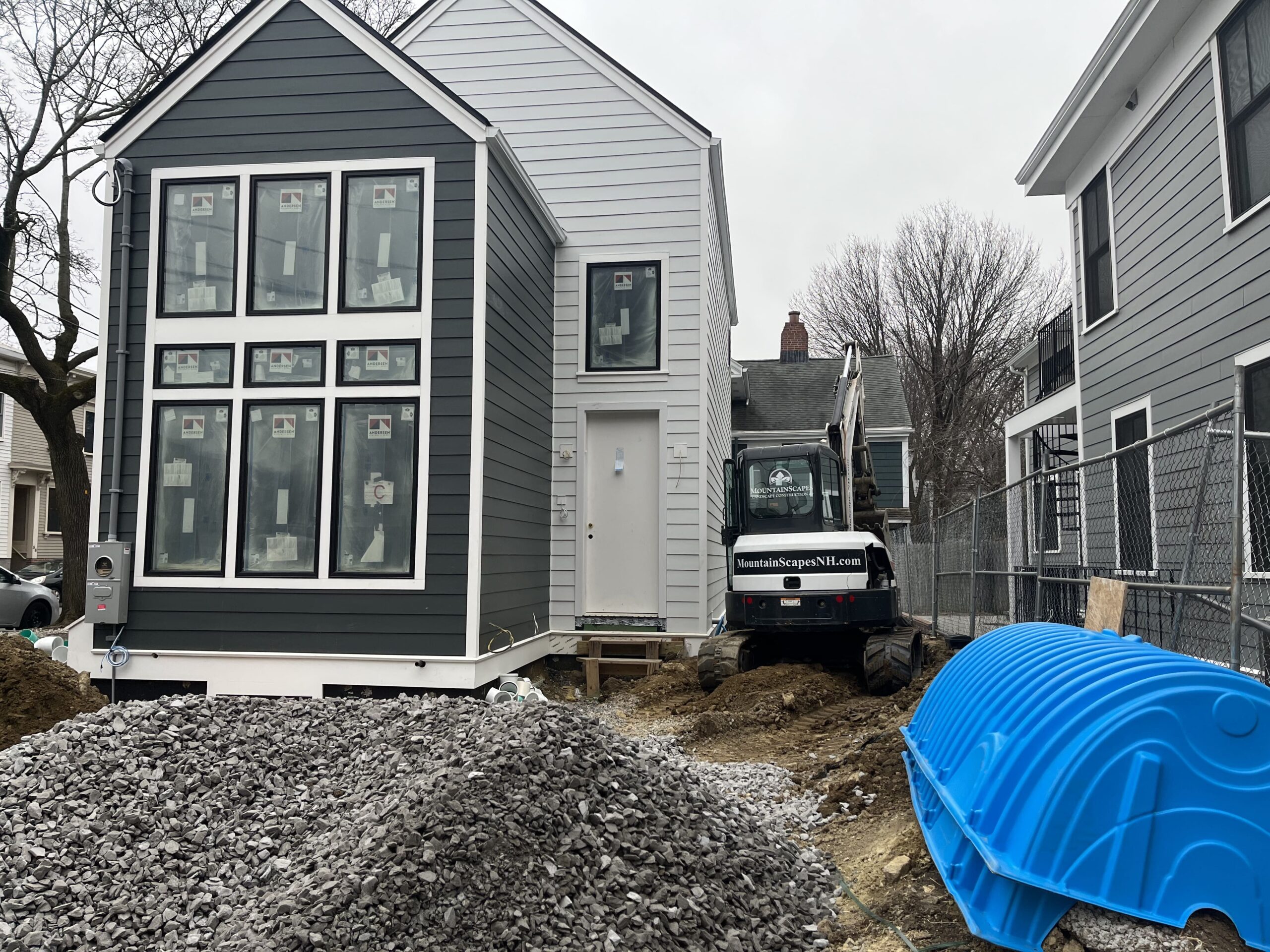
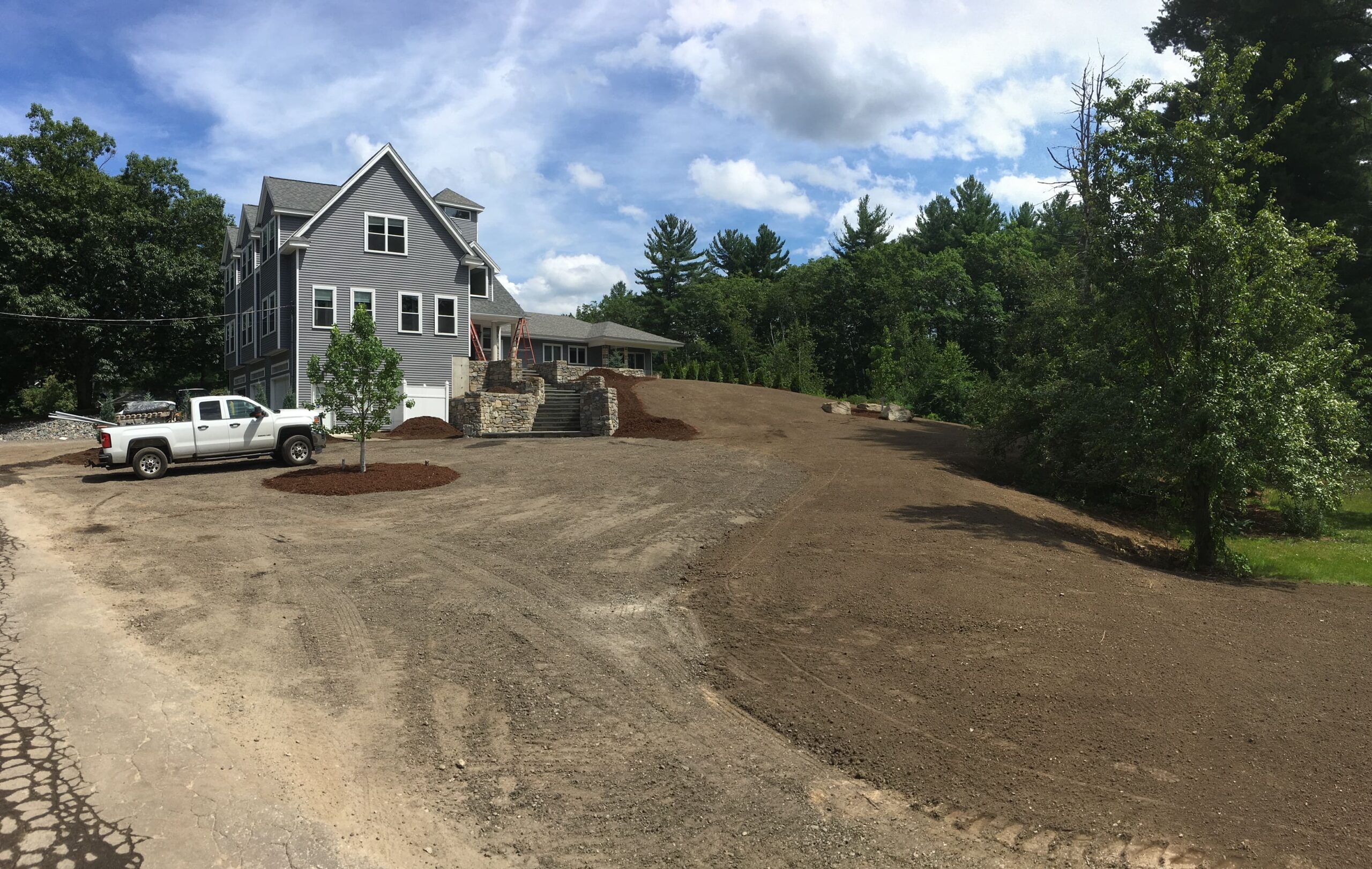
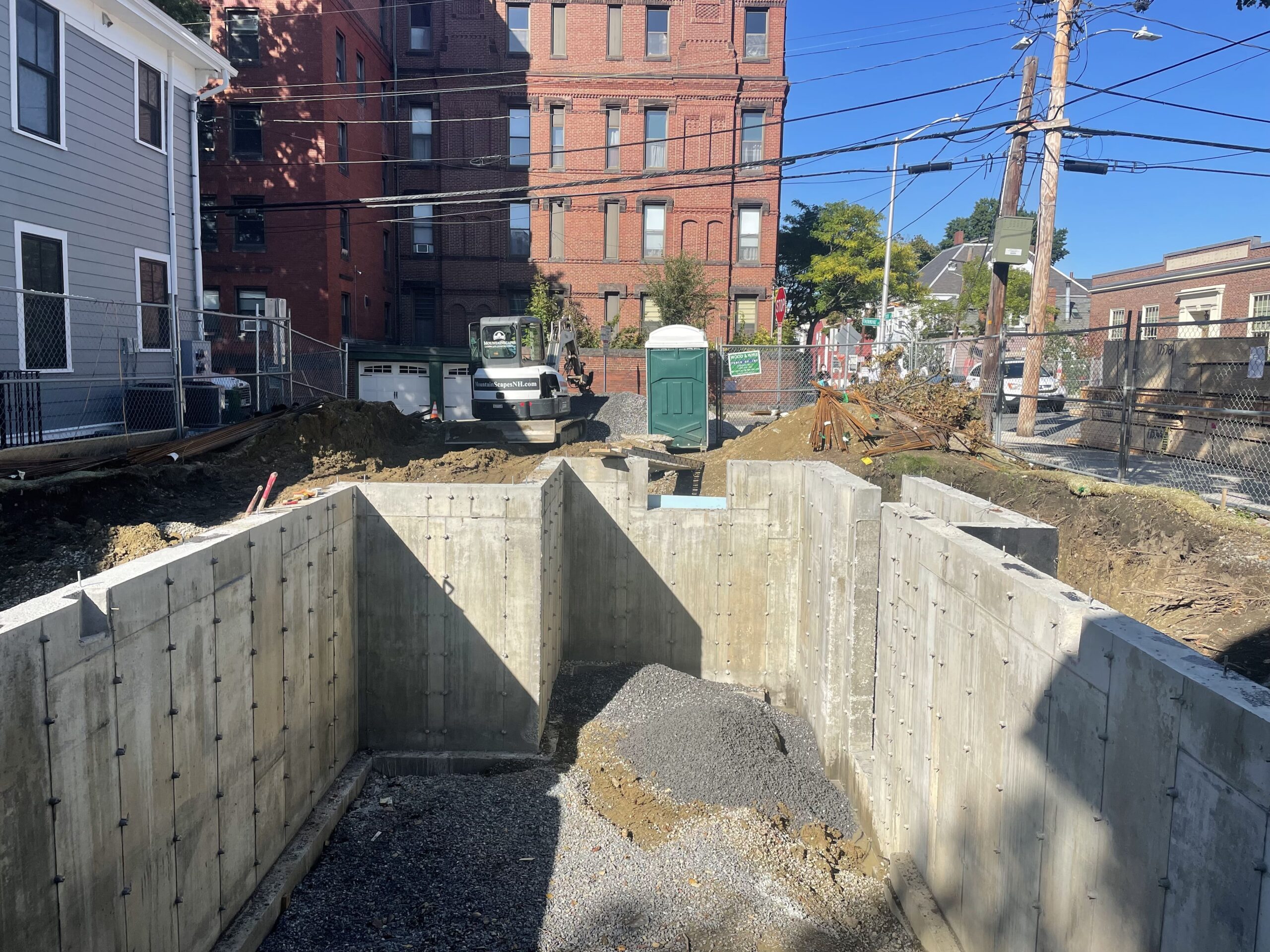
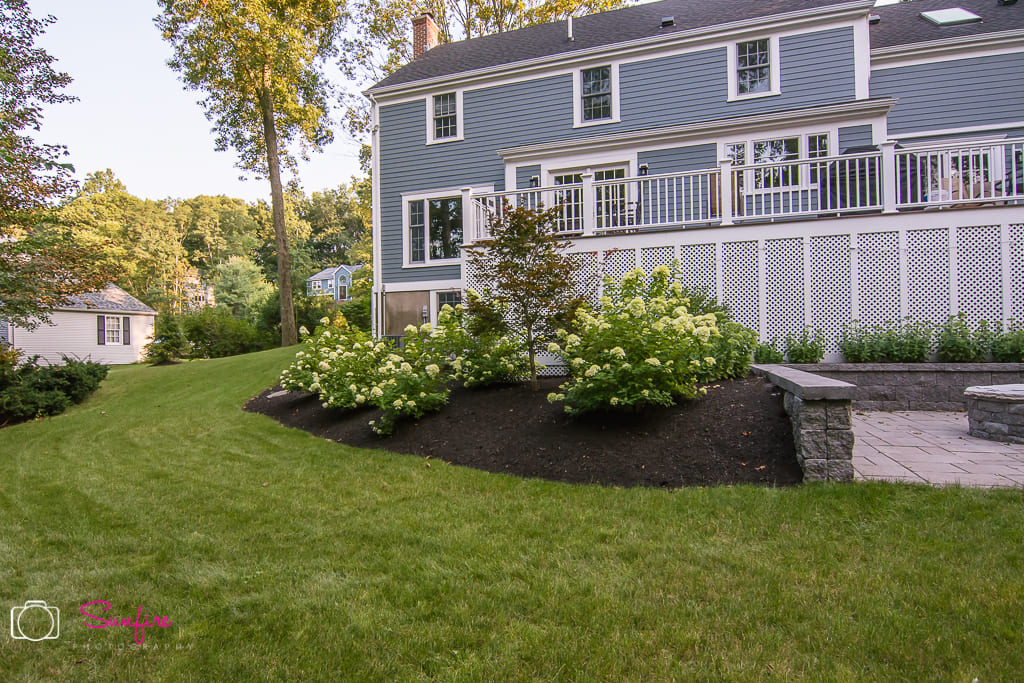
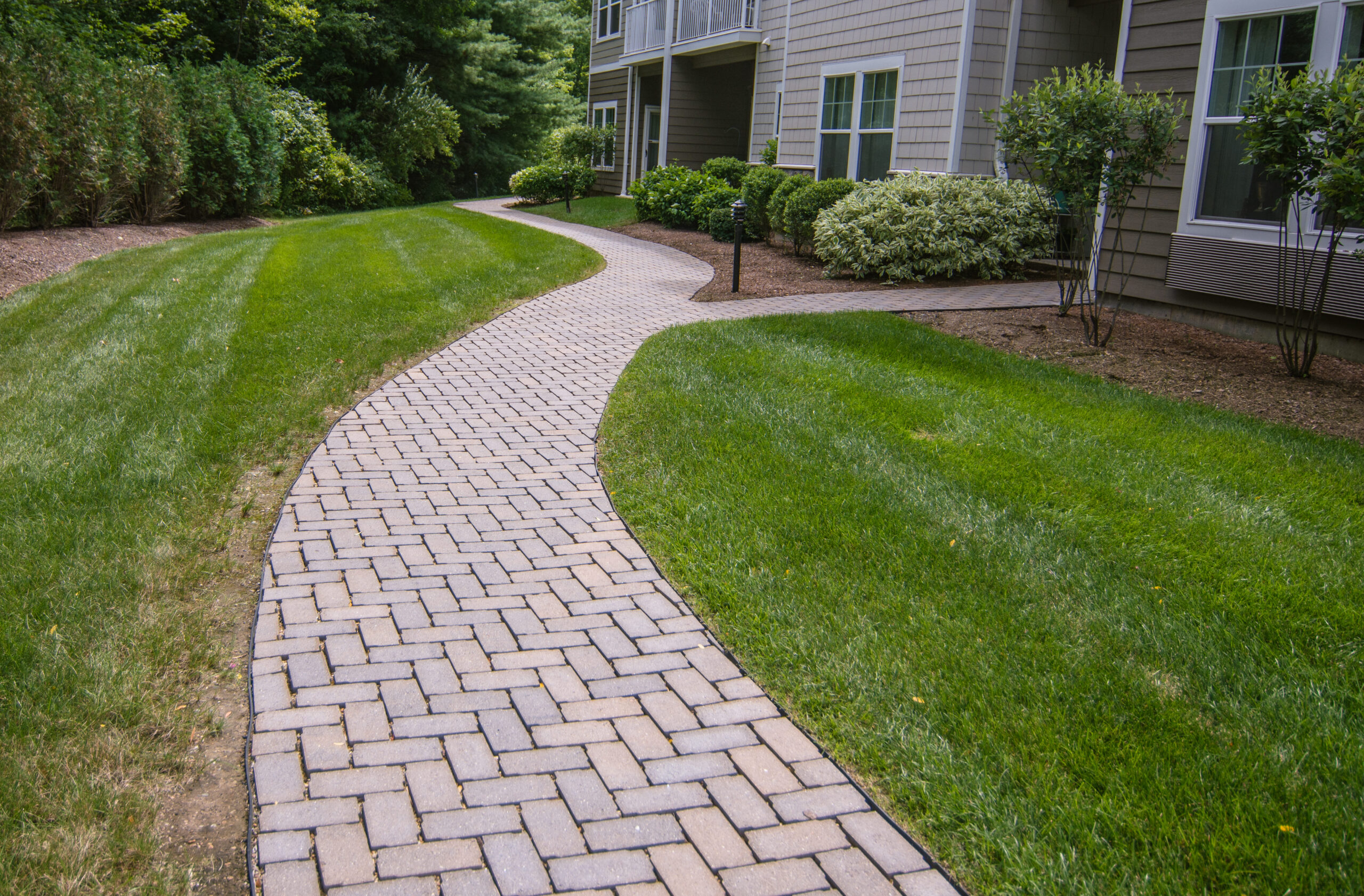
Grading is the step nobody photographs once the lawn is in, but it sits under every yard we finish. Here are machines at work and the landscapes they prepared, all from projects we have built. See more in our gallery.
A yard with the wrong shape tells you so every time it rains. These are the clues we look for on a first visit, and what grading does about each.
We grade residential lots across the region, from flat suburban yards to hillside properties. Towns we serve include Westford, Groton, Harvard, Andover, North Andover, Windham, Atkinson and Londonderry. Grading is often a stand-alone job, such as fixing a slope that sends water toward the house, so you are welcome to call us for that alone.
// Areas We Serve
We work with homeowners across northeastern Massachusetts and southern New Hampshire. Pick your town to see local details, or ask us if yours is not listed.
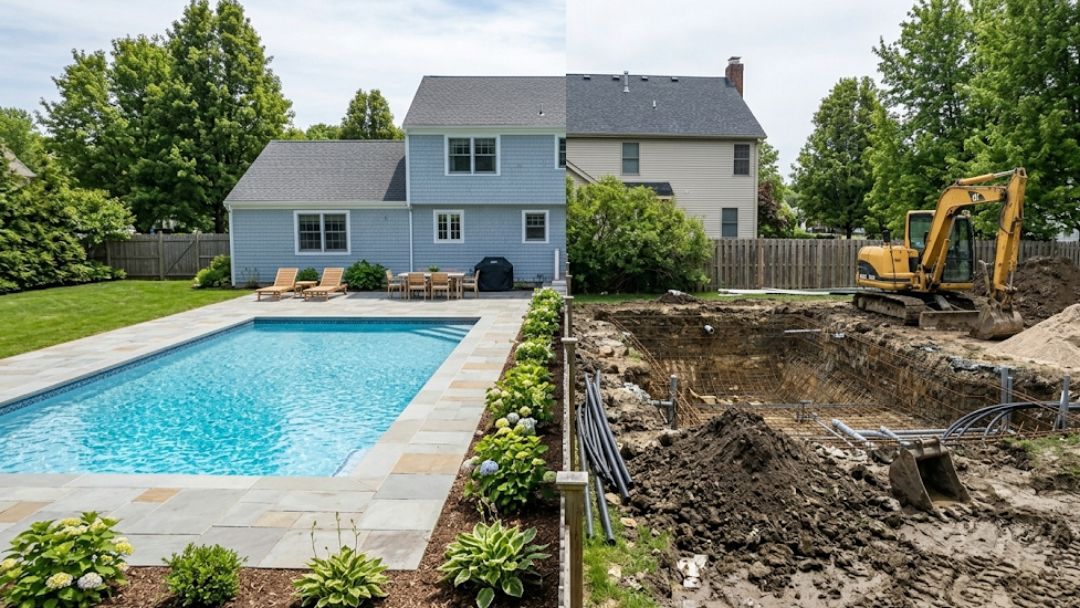
We walk the property, note where water flows and take elevations with a laser level, so the plan is based on measured heights rather than guesses. Topsoil is stripped and stockpiled. Then the machine work begins: cutting high spots, moving that soil to fill low ones and compacting it in layers so it does not settle later. Rough grade sets the overall shape. Finish grade comes last, with topsoil spread back and raked smooth so water runs off evenly. The ground is then ready for seed, sod, planting beds or hardscape.
Why Mountainscapes
Christopher Underwood’s background in Landscape Architecture means grades are set with the end result in view: where the patio goes, how the lawn will drain and where steps or walls belong.

Building soil up along the house so the ground falls away from the foundation on every side.

A smooth, even finish grade with topsoil ready for seed or sod, so the new lawn has no dips or ridges.
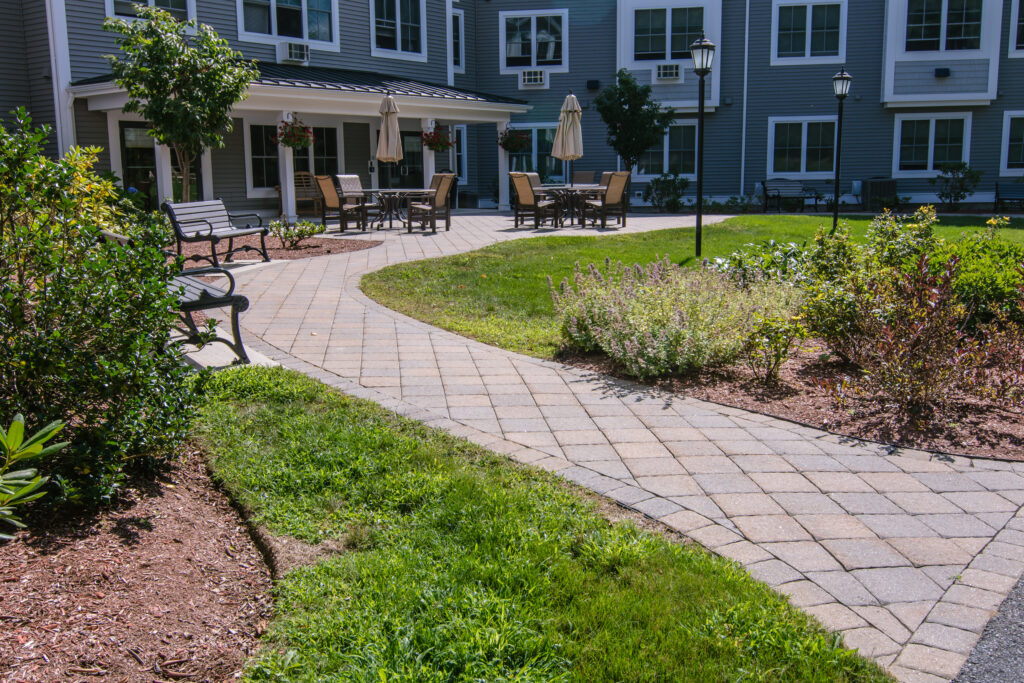
Level, compacted areas set at the right height for a patio, pool or deck before construction begins.

Softening steep banks or breaking them into terraces so they are easier to mow, plant and walk.

Gentle channels and low mounds that guide runoff around buildings and add shape to a flat yard.

Screened topsoil spread to an even depth over the finished grade so grass and plants root well.
What do site grading services include?
Grading includes measuring existing elevations, stripping topsoil, cutting and filling soil to the planned shape, compacting it and spreading topsoil back as a finished surface. Depending on the project, it may also include swales, soil for new beds and level pads for a patio or pool.
How do I know if my yard needs regrading?
Look for water pooling near the house, a damp basement after storms, soggy patches of lawn and soil that slopes toward your foundation. Our article on drainage warning signs covers more clues. Many of these can be fixed by regrading alone.
What is the difference between grading and excavation?
Grading shapes the surface of the land for drainage and level areas. Excavation digs down, for a pool, a foundation or a utility trench. Many projects need both, and our crew handles each with the same equipment and planning.
How much should the ground slope away from my house?
The ground should fall away from the foundation on every side so roof water and rain cannot pool against it. Building codes set a minimum slope next to new homes, and we follow the same principle on existing homes, adjusting around patios, walkways and door heights.
Do I need a permit for grading?
Small regrading on a typical lot usually does not need one, but rules vary by town. Large amounts of fill, work that changes how water leaves your property or anything near wetlands may need review. In Massachusetts that can include the local conservation commission. We check before we start.
Can you grade my yard and then put in a lawn?
Yes, and doing both together is the surest way to a smooth, well-drained result. We finish the grade with topsoil and then lay sod, seed or hydroseed. See our lawn installation services for that next step.