
Your Trusted Project Partner


Our gravel driveway installation services build driveways from the base up, so they stay firm through New England winters and spring thaw. Most gravel driveway problems, like ruts, potholes and soft spots, come from a thin base or water with nowhere to go, not from the top stone. We dig out soft soil, lay a fabric separator and build compacted layers of larger stone topped with a finer surface layer. The finished drive is crowned or pitched so rain runs off the edges. Gravel usually costs less than asphalt or pavers, suits rural and wooded lots and is easy to extend later.
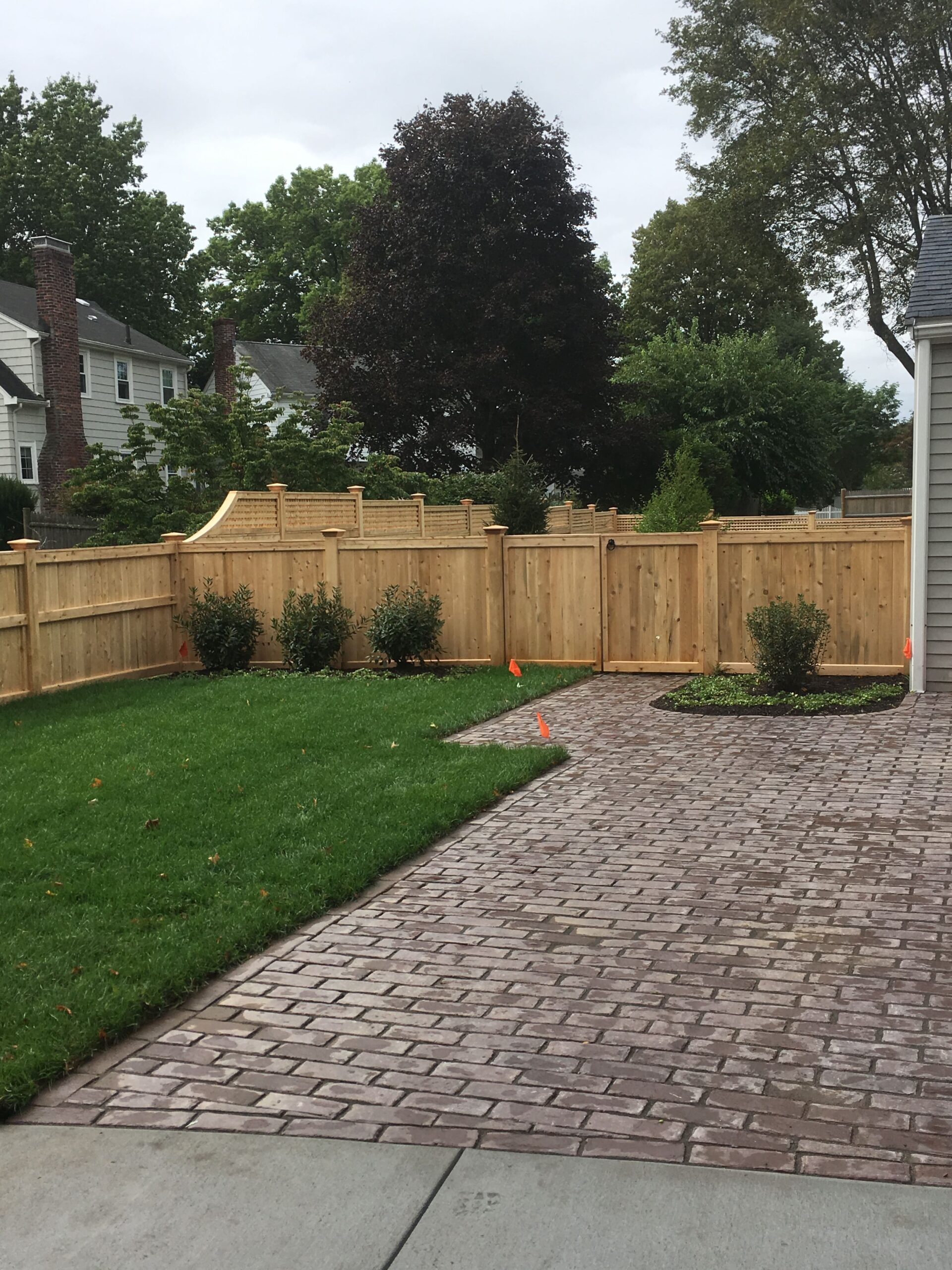
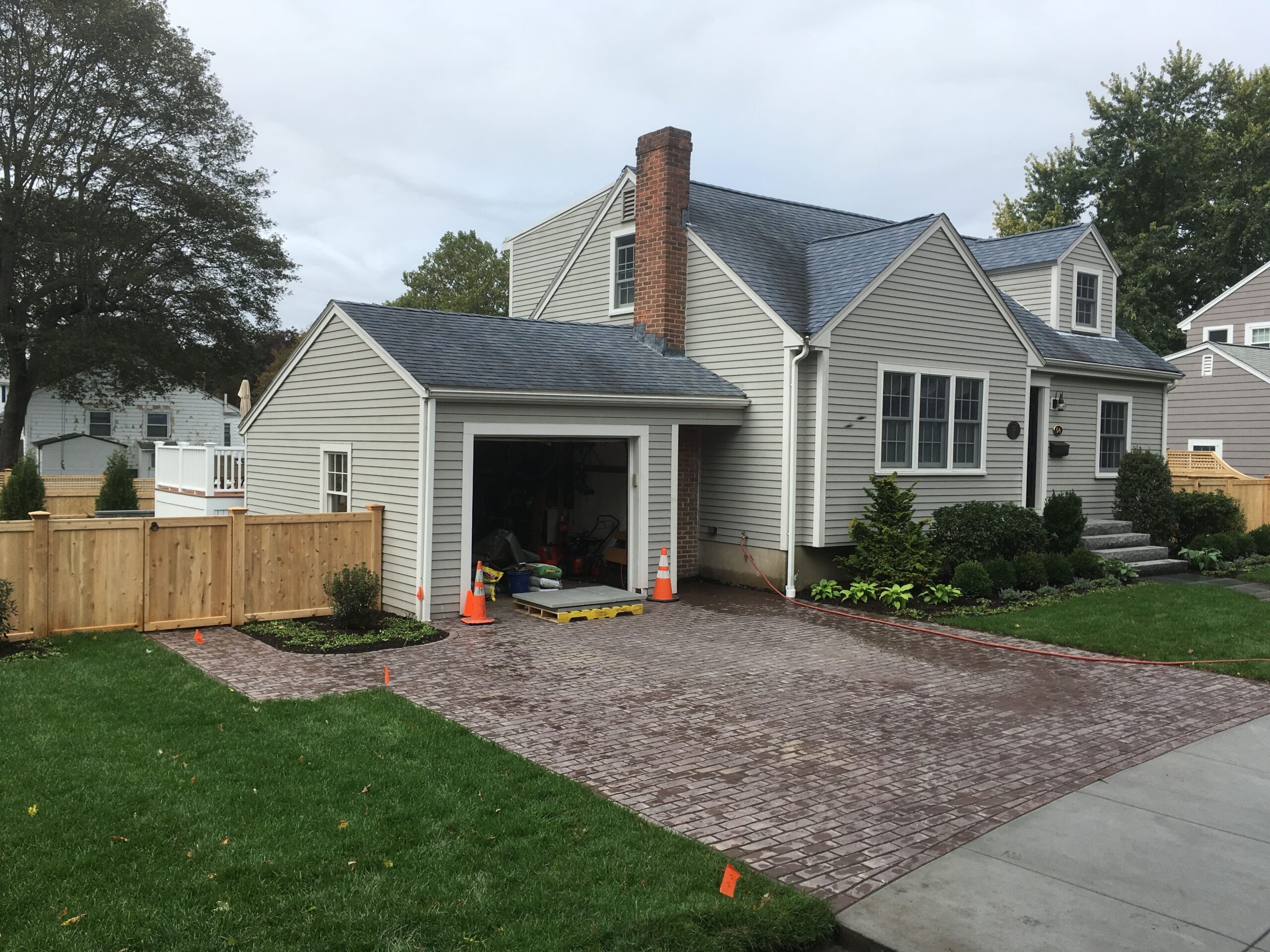
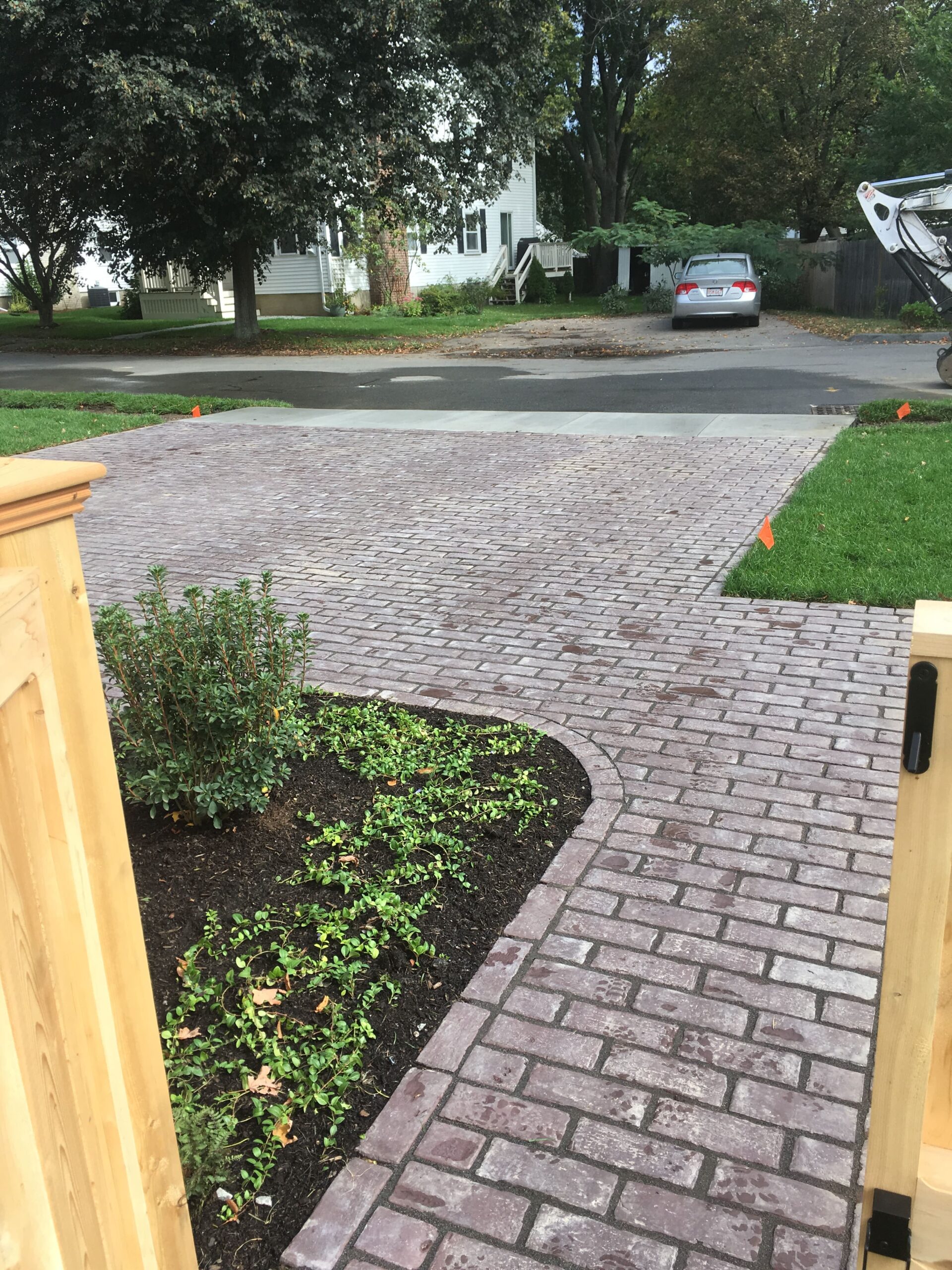
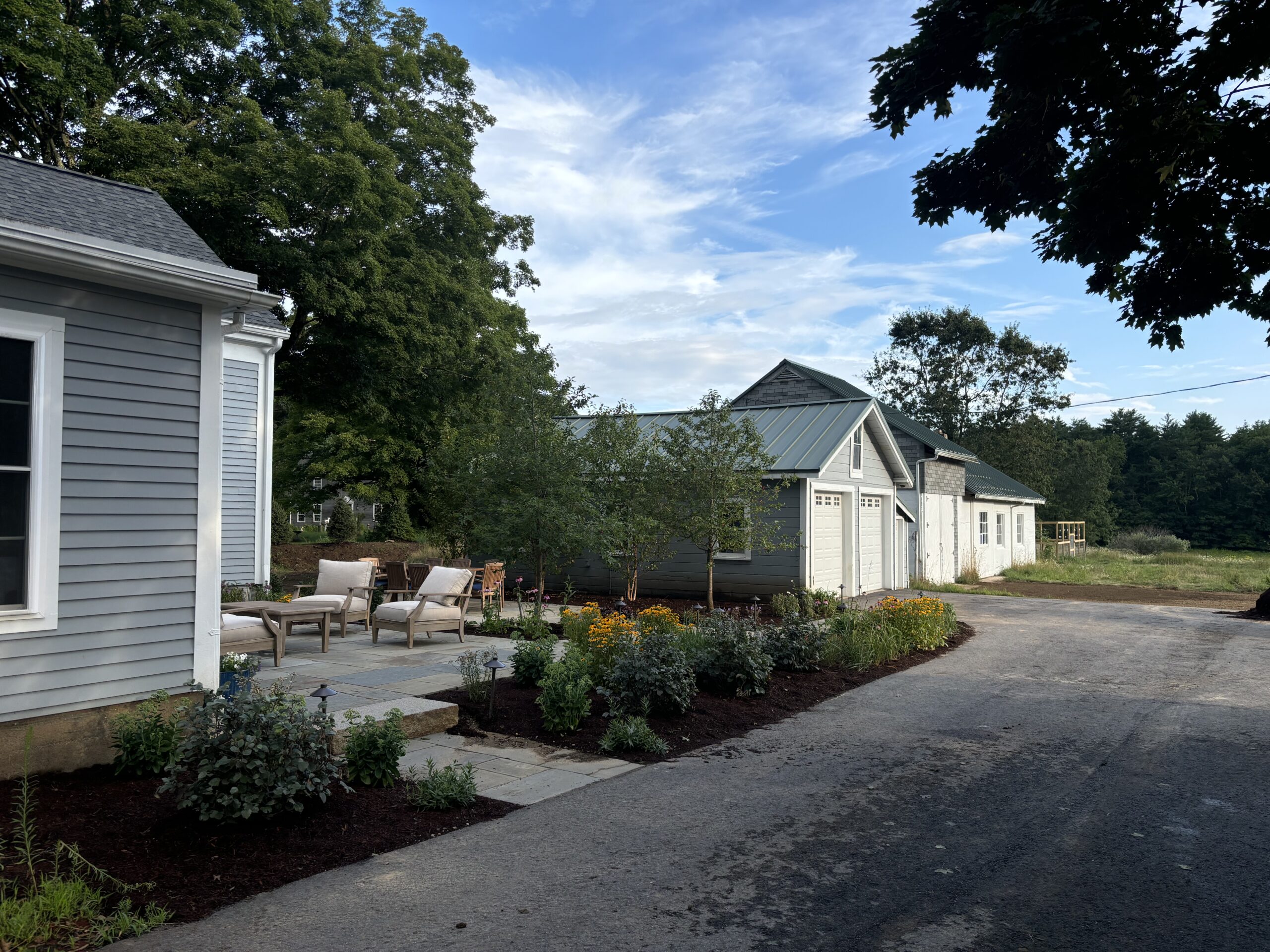
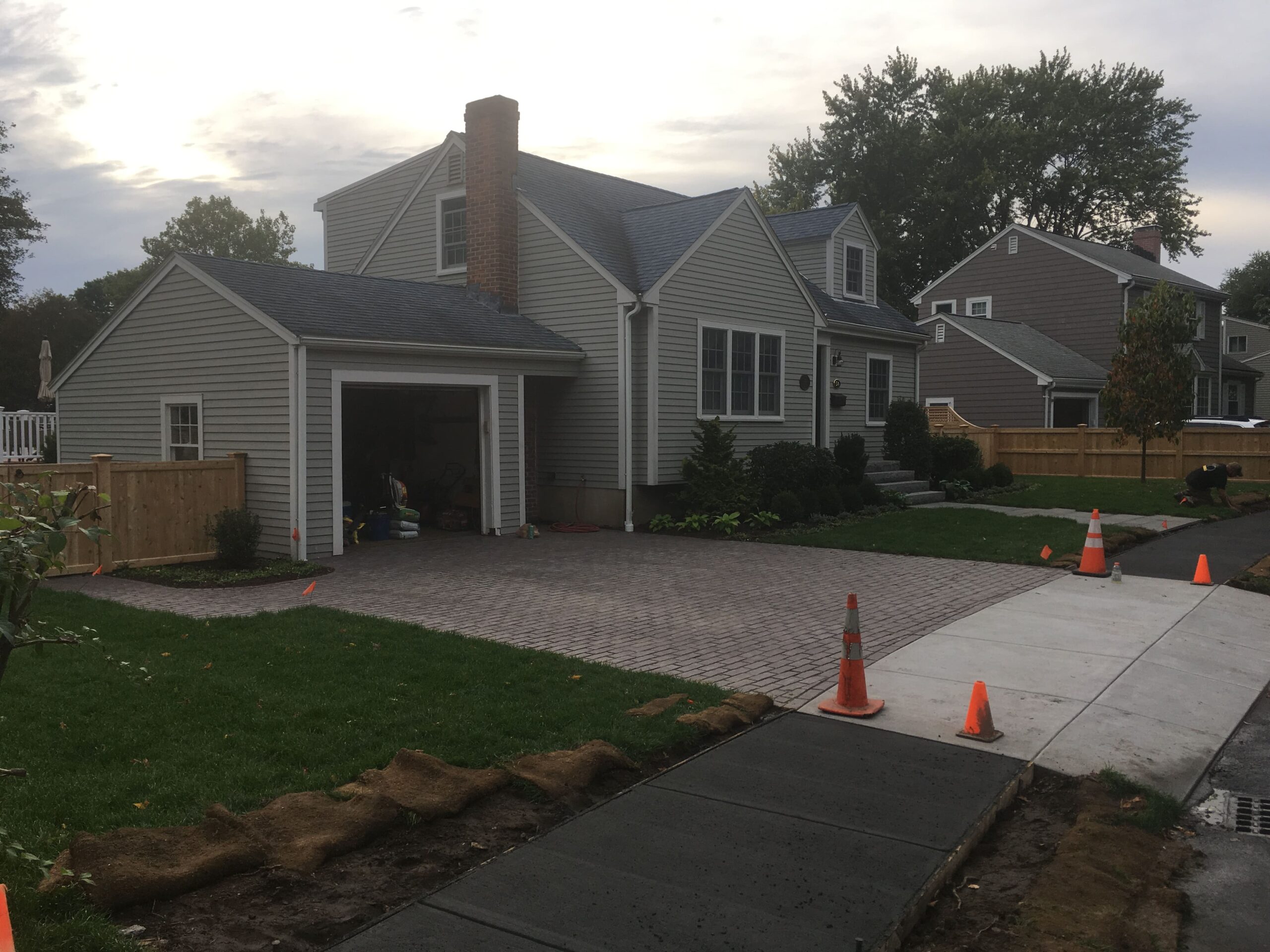
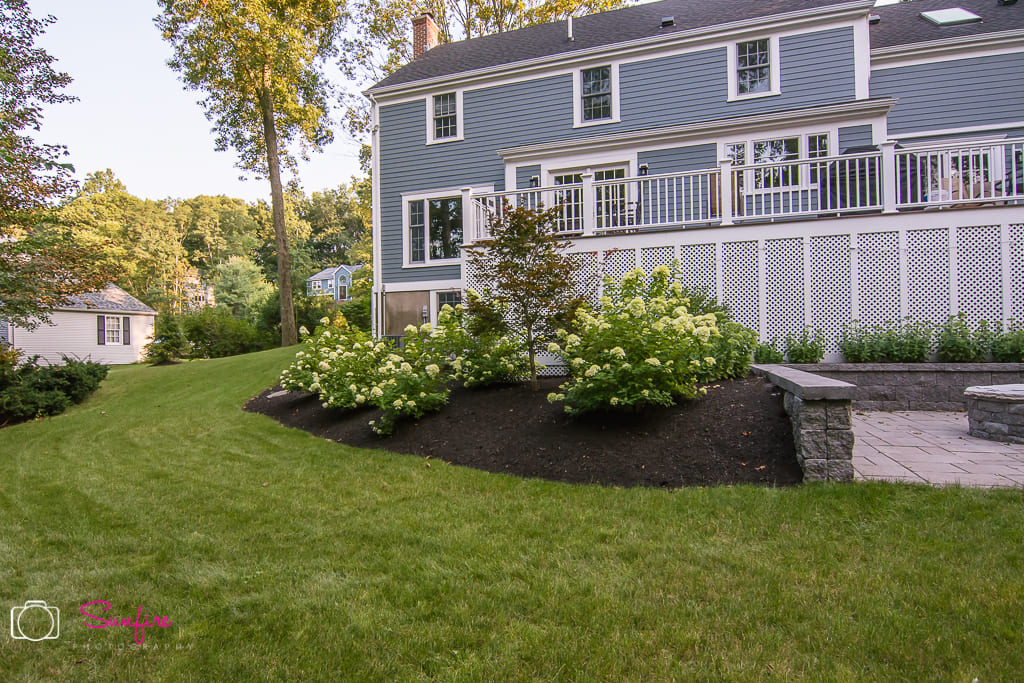
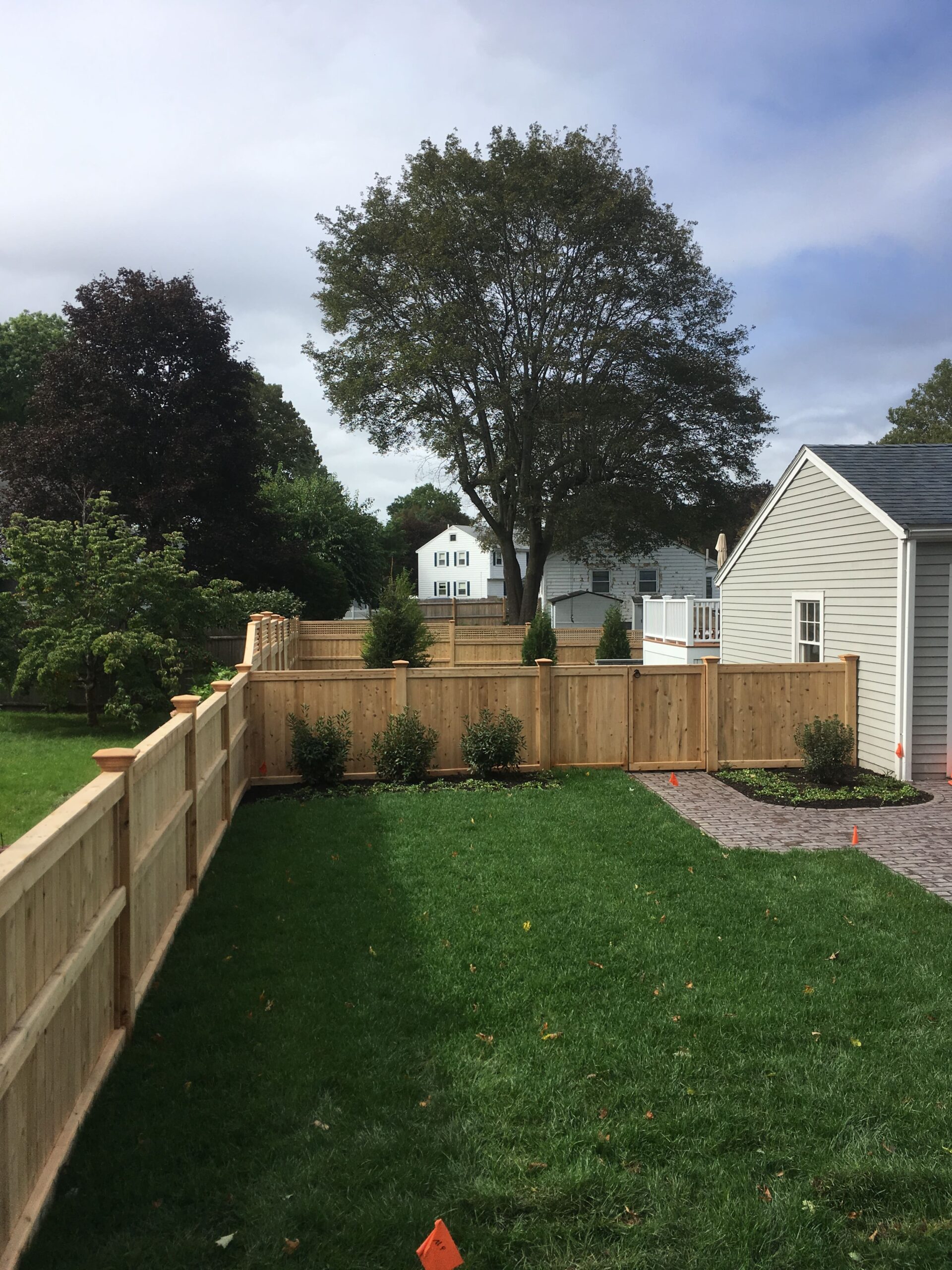
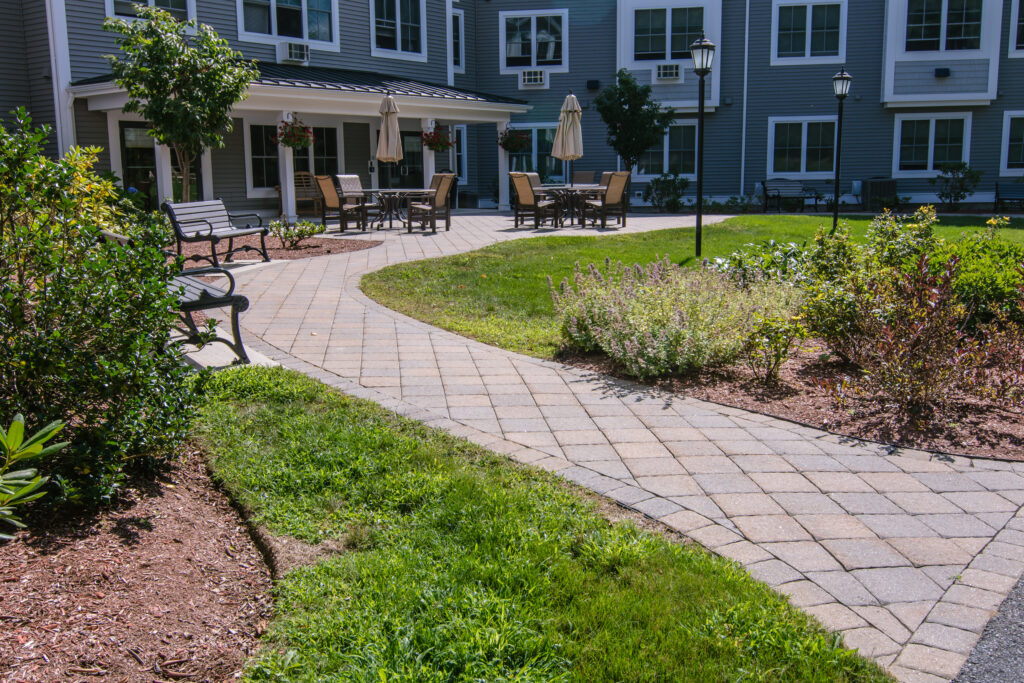
This gallery shows driveways, home entries and landscapes from projects we have built, which gives a sense of how we finish the ground around a house. There is more in our project gallery.
Gravel is forgiving, but only when it is built right. These are the driveway problems we hear about most, and how a proper build answers them.
Gravel driveways suit many homes in the more rural parts of our area, along with long drives on wooded lots. We build and rebuild them in Hollis, Amherst, Merrimack, Groton, Pepperell, Harvard, Plaistow and Kingston, among other towns. Short repair jobs, like regrading and topping up a worn driveway, are welcome too.
// Areas We Serve
We work with homeowners across northeastern Massachusetts and southern New Hampshire. Pick your town to see local details, or ask us if yours is not listed.
We start by marking the layout, checking where water runs across it and requesting Dig Safe markings. Topsoil and soft material are removed down to firm ground. Geotextile fabric goes down next to keep the base from mixing into the soil below. Then comes a layer of larger crushed stone or gravel, compacted with a vibratory roller, followed by a finer top layer that packs into a hard surface. We shape a crown down the middle, cut ditches or set a culvert where water crosses, and finish the edges.
Why Mountainscapes
A driveway is really a grading and drainage job with stone on top. Our crew does that kind of earthwork on pool and landscape projects, and we bring the same equipment and know-how to your driveway.

Angular crushed stone locks together under traffic, giving a firmer surface than rounded stone.

A mix of stone and fines that packs down hard and smooth, popular for a quieter, tidier finish.

Rounded pea stone looks soft and attractive but shifts underfoot, so it suits edges and walkways better than the driving lane.
Stone, steel or block edging that keeps gravel off the lawn and gives the driveway a clean outline.

Extra width for turning around or parking a second car, built on the same layered base as the drive.

Pipe under the driveway and shallow ditches alongside, where water crosses or runs down the length of the drive.
How much do gravel driveway installation services cost?
Price depends mostly on length and width, how much soft soil has to come out, base depth, stone type and drainage needs such as a culvert. Rebuilding an existing driveway often costs less than starting from raw ground. We measure, look at the site and give you a written estimate.
How thick should a gravel driveway be?
It depends on the soil and the traffic. A driveway on firm, sandy ground needs less base than one on wet clay. What matters most is a well-compacted base layer under the surface stone, which is where many thin, cheaply built driveways fall short. We set the depth after looking at your soil.
Is gravel or pavement better for a driveway?
Gravel costs less, lets water through its surface and is easy to repair or extend. Asphalt and pavers look more finished and are easier to shovel. Plowing gravel takes some care, and raising the plow blade slightly helps keep stone on the drive. We can talk through both for your property.
How do I maintain a gravel driveway?
Rake stone back into ruts, fill potholes with matching stone and keep the crown and ditches clear so water runs off. Every few years, a fresh top layer and a regrade keep the surface tight. We are glad to do that kind of tune-up on an existing drive, not just new installations.
Can you fix drainage problems on my driveway?
Yes. Water running down or across a driveway is the main cause of washouts. Depending on the slope, we add ditches, water bars, a culvert or a catch basin. Our drainage installation services page explains the systems we use around homes.
Do I need a permit for a new driveway?
Many towns require a permit for a new driveway entrance onto a public road, and a driveway onto a state highway may need state approval. Rebuilding an existing drive in the same footprint often needs less paperwork. Rules vary, so we check with your town before work starts.