
Your Trusted Project Partner


Our tree and shrub planting services cover the full job, from choosing what to plant to setting it in the ground correctly. Most planting problems trace back to two mistakes: a plant that grows too big for its spot, or one set too deep in the hole. We start with what you want the planting to do, such as block a view, shade a patio, soften a foundation or add fall color, then pick species that are hardy here and fit the space at full size. One specimen tree or a long evergreen screen, both are jobs we enjoy. For the bigger picture, see our landscape design services.
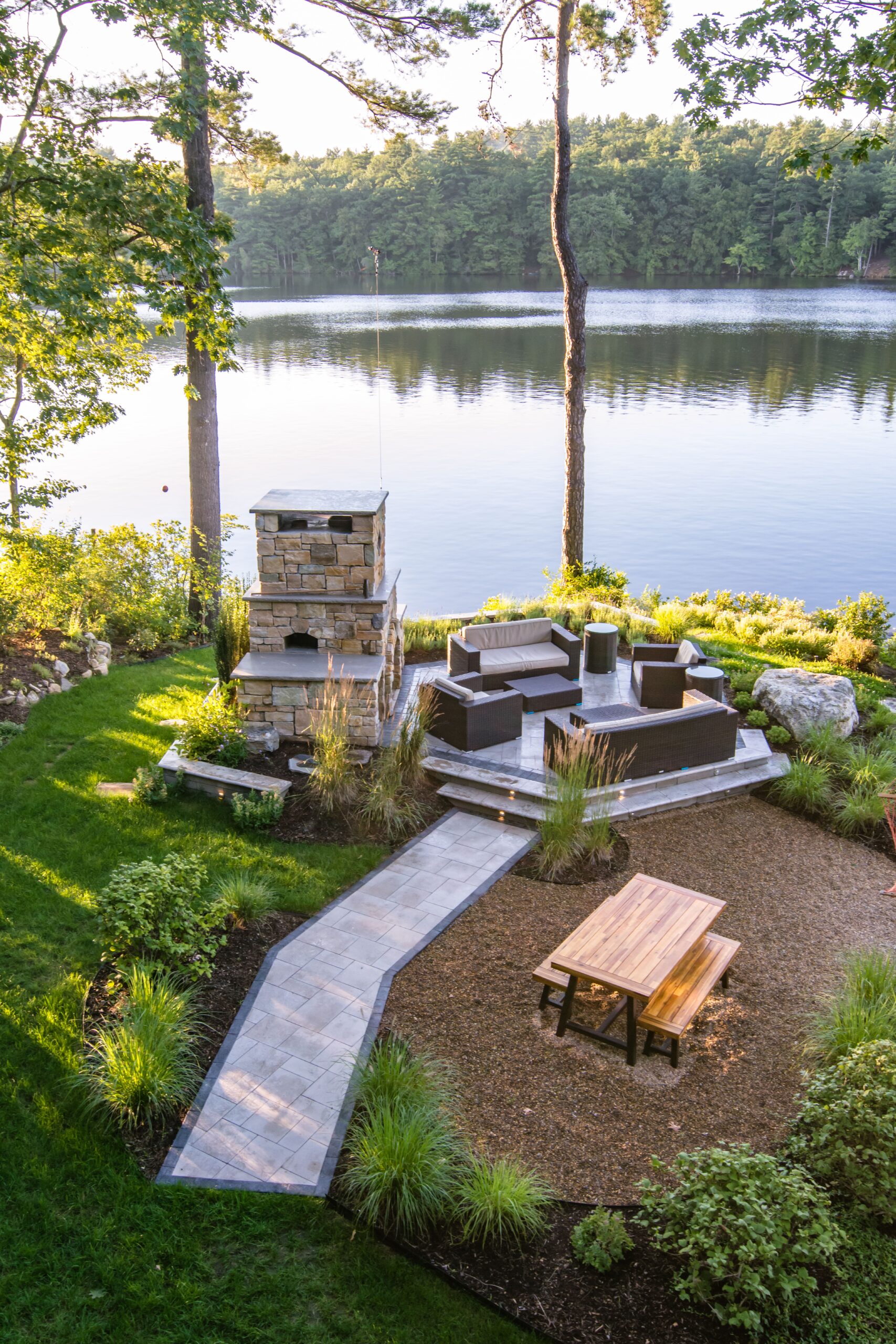
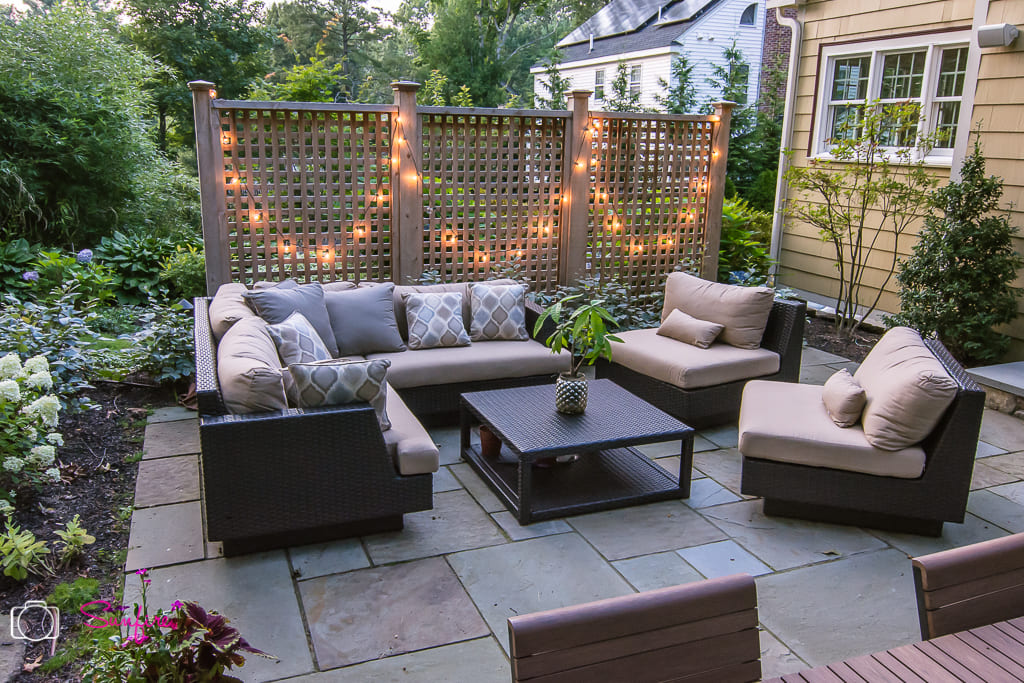
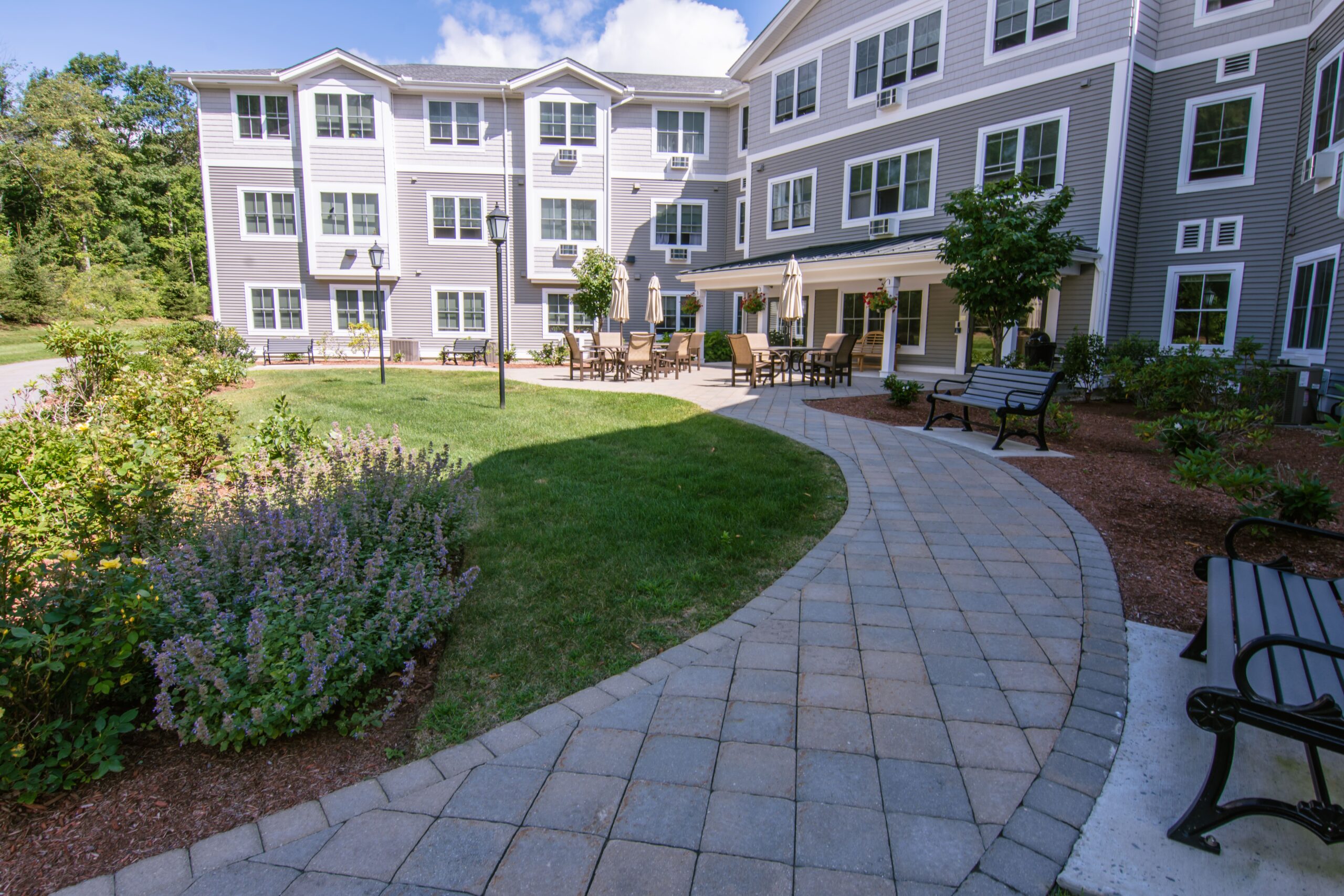
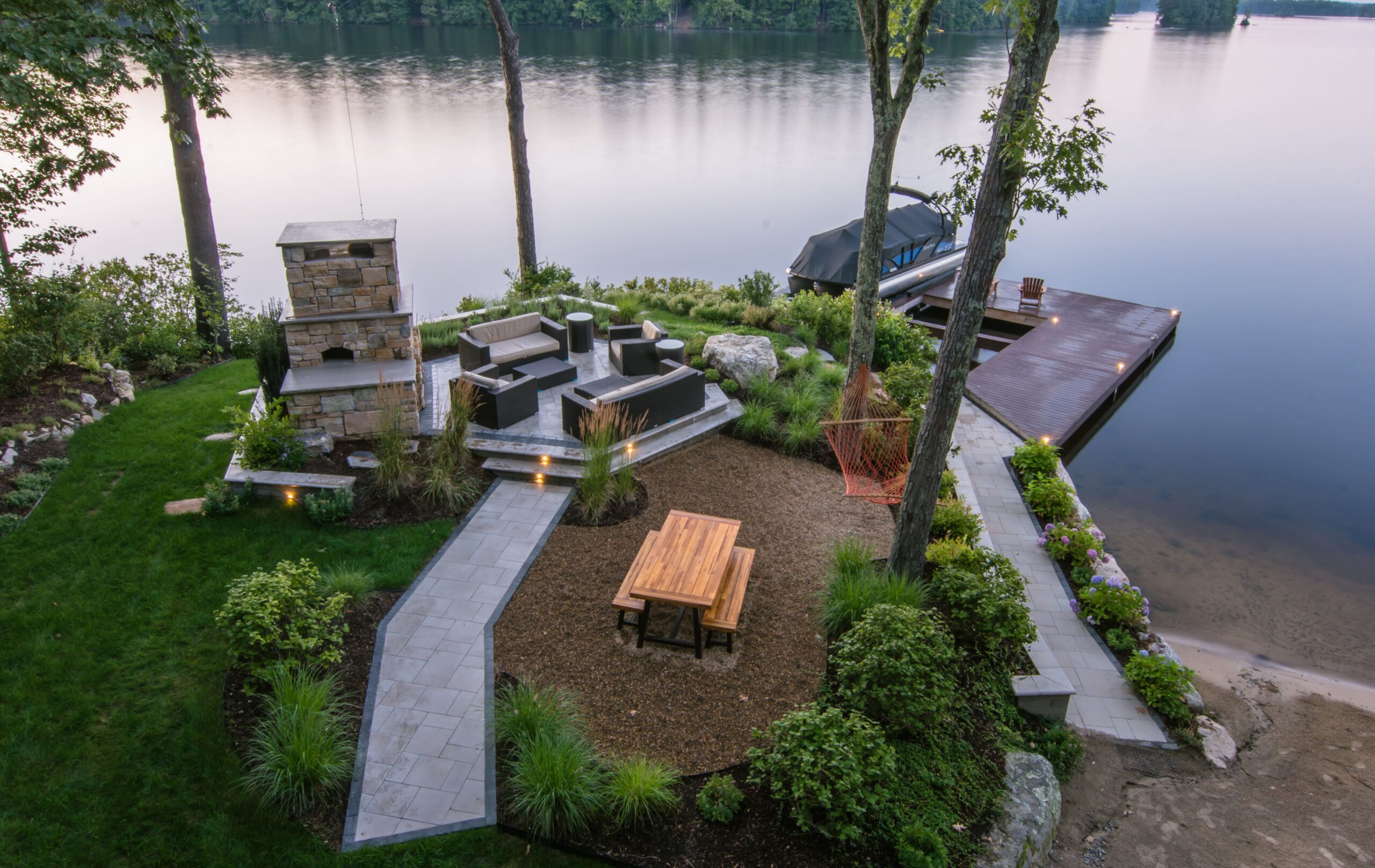
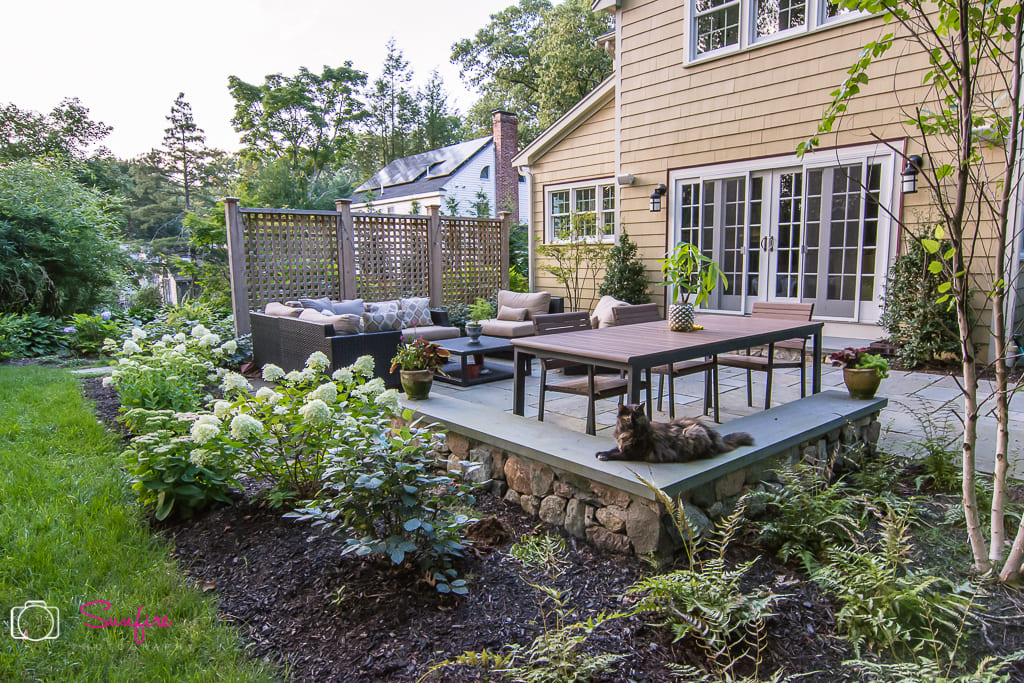
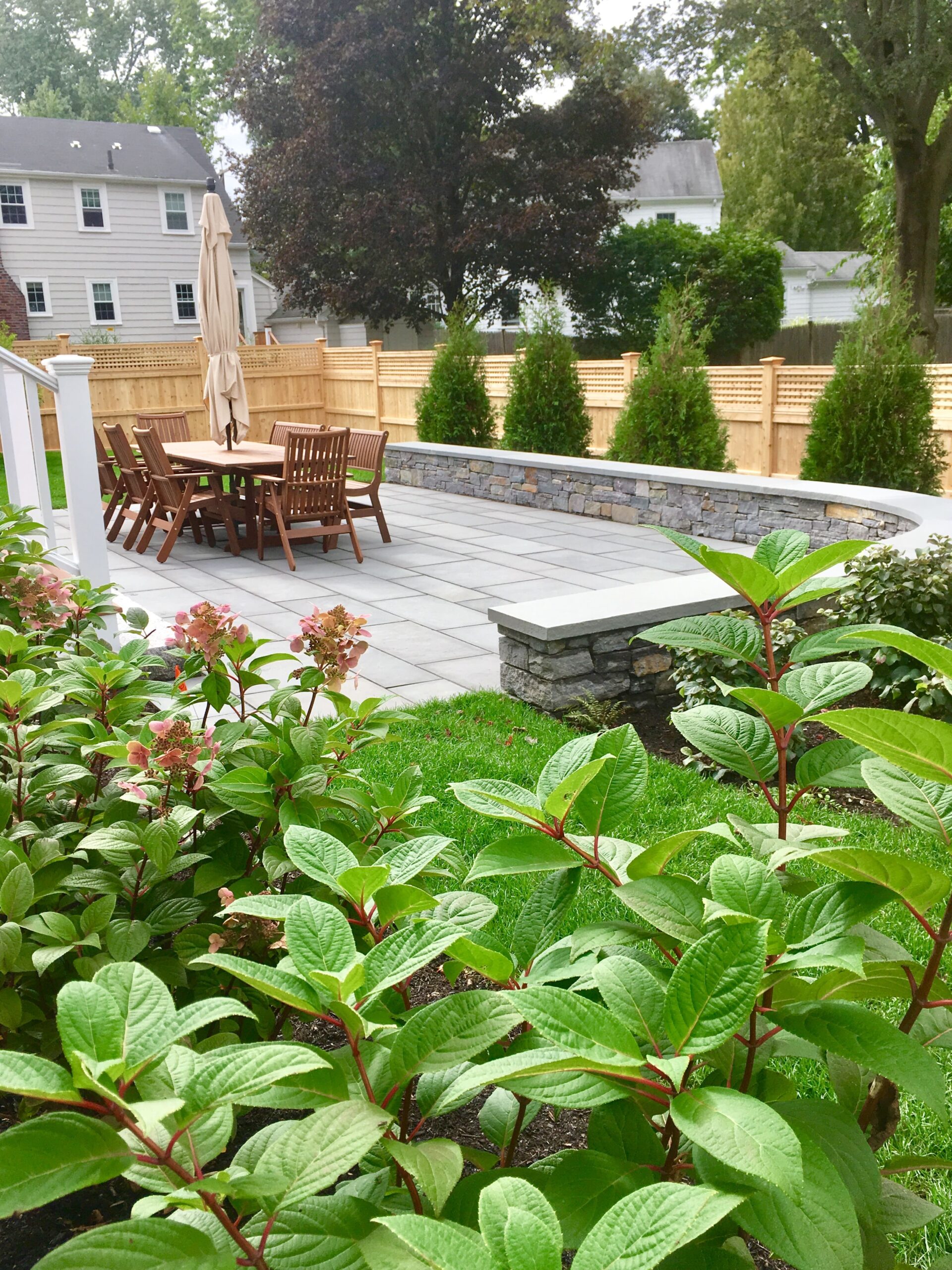
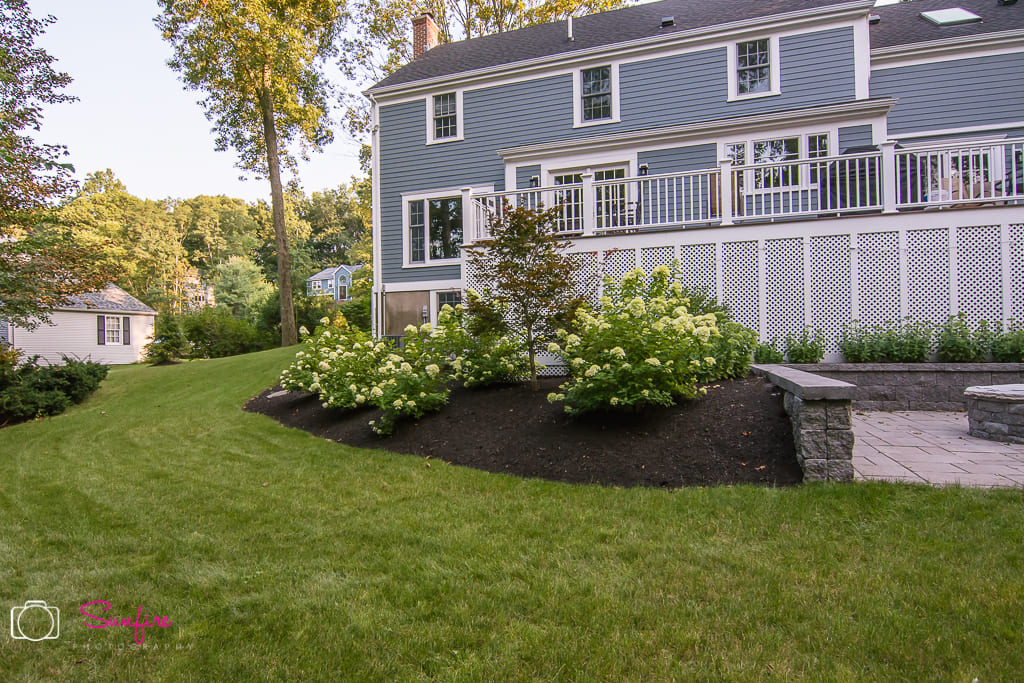
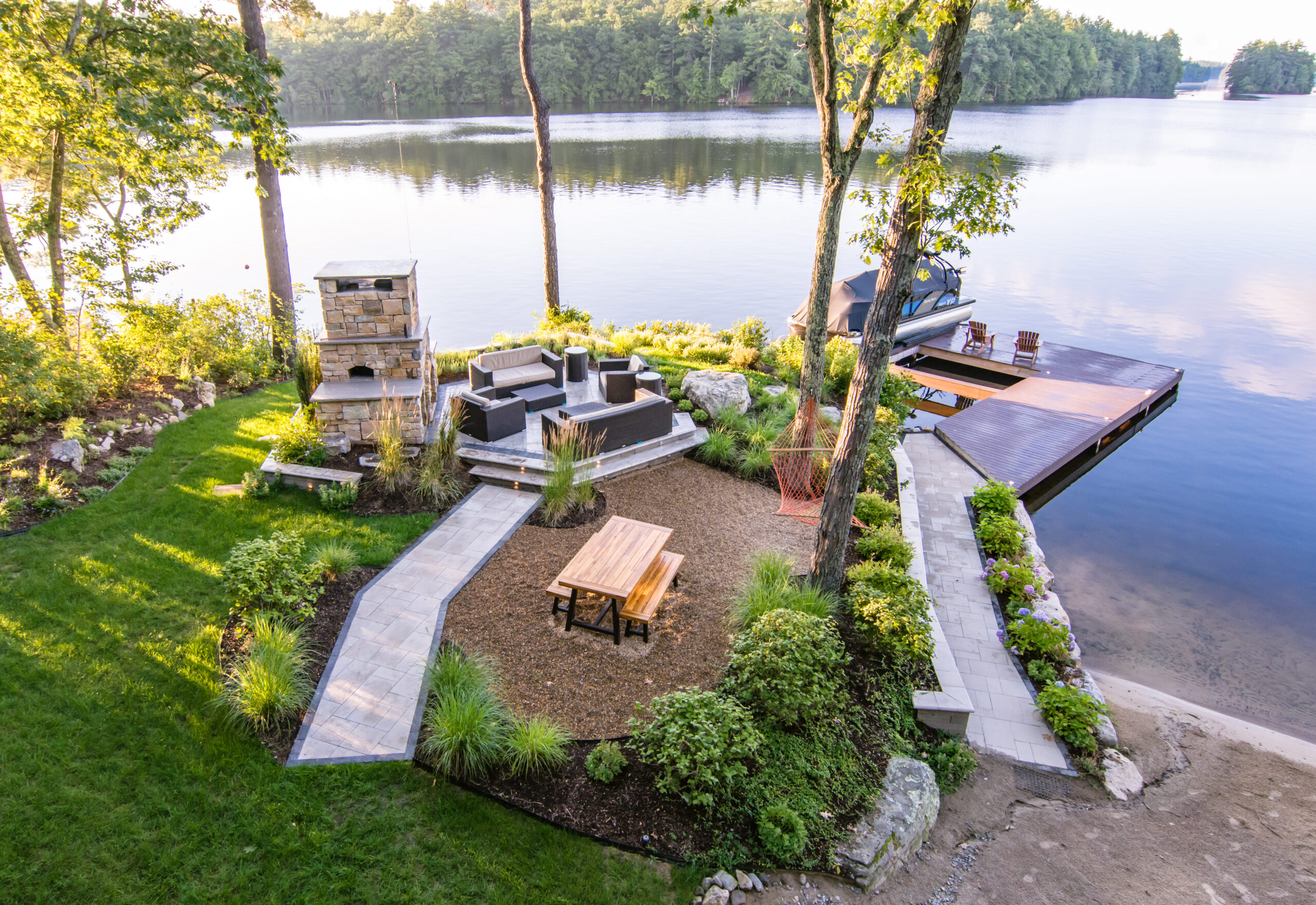
Trees and shrubs take time to mature, and these projects show how plantings frame patios, walls and homes. Every photo comes from a property our team worked on. Find more in our gallery.
A badly planted tree can look fine for a few seasons before it starts to decline. These are the errors we see most, and how we avoid them.
We plant trees and shrubs for homeowners in Andover, North Andover, Concord, Sudbury, Bedford, Windham, Londonderry and Hollis, plus nearby towns. Wooded lots, open former farmland and tight suburban yards all call for different plants, and matching the choice to your conditions is a big part of the job. A single tree is never too small a request.
// Areas We Serve
We work with homeowners across northeastern Massachusetts and southern New Hampshire. Pick your town to see local details, or ask us if yours is not listed.
Before digging, we call Dig Safe so buried utilities are marked, and we check for septic leach fields and overhead wires. The hole is dug two to three times wider than the root ball but no deeper, so the plant does not settle. Burlap, twine and wire are cut away from the top of the root ball, the plant is set with its root flare visible and the hole is backfilled with the native soil. We finish with a deep watering and a ring of mulch kept clear of the trunk.
Why Mountainscapes
Christopher’s degree in Landscape Architecture shapes how we choose and place plants. Your trees and shrubs are picked for how they will look and perform years from now, not just on planting day.

Evergreens such as spruce and fir mixed with tall shrubs to block views of roads and neighbors all year.

Maples, oaks and other large trees placed to shade a patio or the sunny side of the house as they grow.
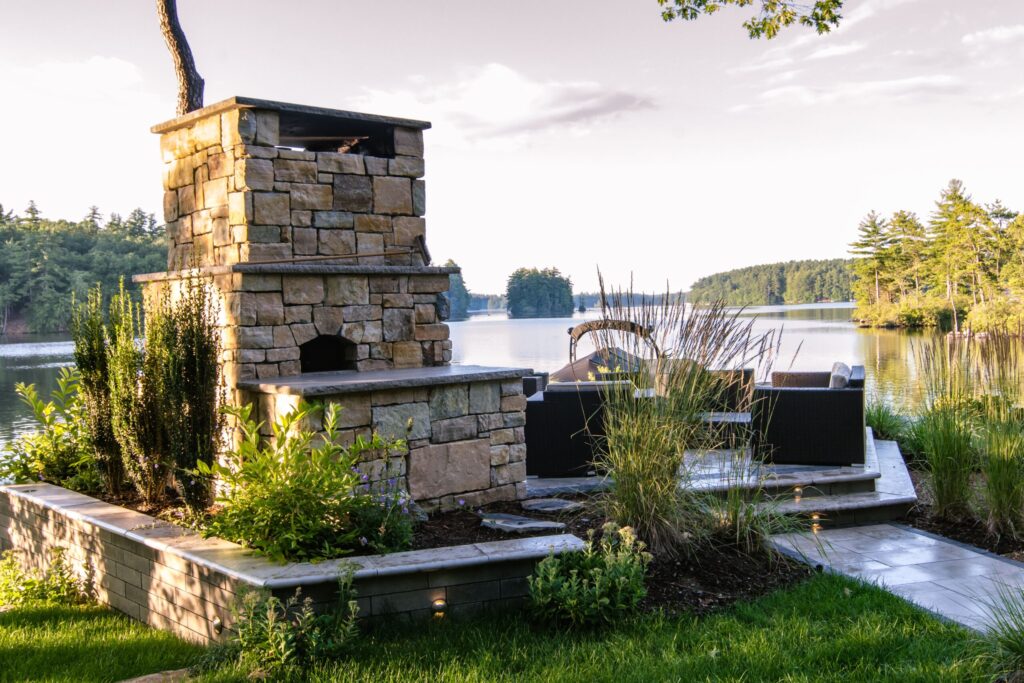
Smaller trees like serviceberry, dogwood and redbud add spring blooms near patios and entries without overpowering them.

Compact shrubs that stay below window height, so they soften the house without constant shearing.
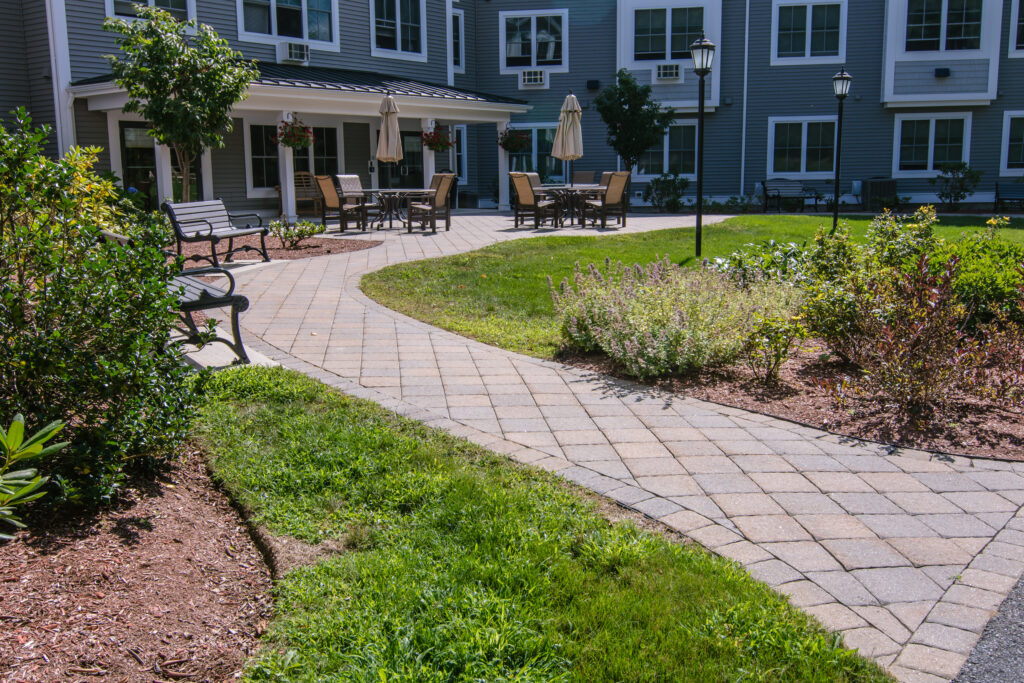
Native shrubs such as winterberry, inkberry and viburnum support birds and pollinators and handle local conditions well.
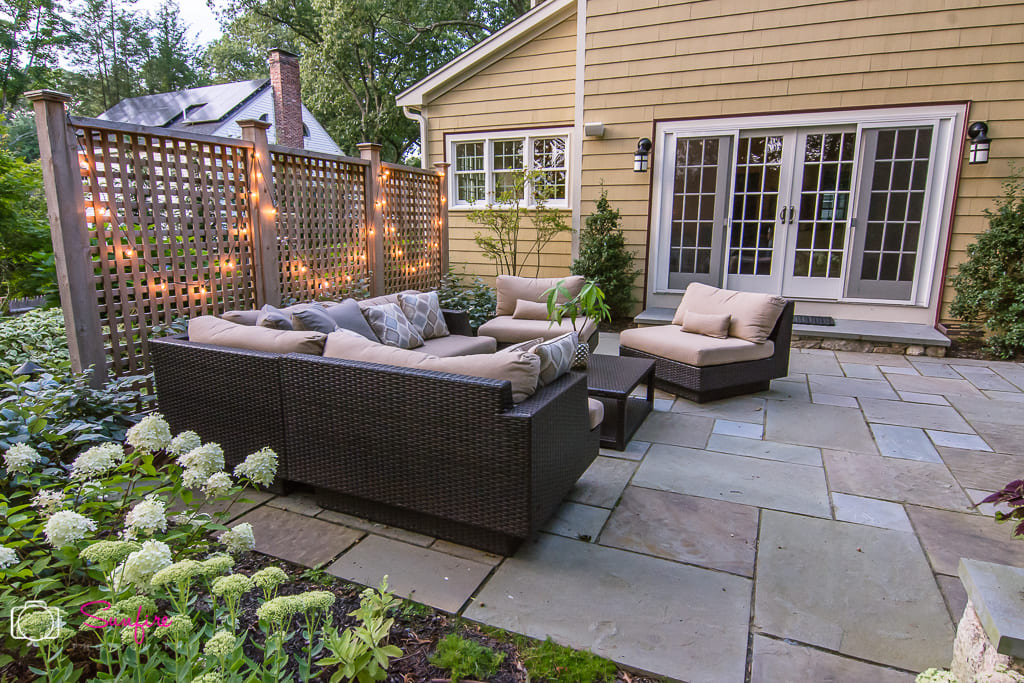
Fall color, winter berries and bark, and spring flowers planned so the yard has something to look at every month.
When is the best time for tree and shrub planting in New England?
Spring and early fall are ideal. Mild air and workable soil let roots grow before summer heat or winter freeze. Many trees and shrubs can be planted through summer with careful watering. Evergreens do best when planted early enough in fall to root in before the ground freezes.
What are the best trees for privacy?
For year-round screening, evergreens such as spruce and fir are dependable, while tall shrubs fill the gaps underneath. We avoid single rows of one species, since one pest problem can leave the whole screen bare. Deer pressure, sun and available space all affect the final mix.
How far from the house should I plant a tree?
It depends on the tree’s mature spread. Large shade trees need plenty of room so branches and roots stay clear of the foundation, roof and gutters, while small ornamental trees can sit closer. We also keep roots away from septic systems and branches clear of overhead lines. A landscape plan sorts this out early.
How much water do new trees and shrubs need?
New plantings need deep, regular watering through their first growing season, and more during dry spells. A slow soak that reaches the whole root ball beats a quick daily sprinkle. We water everything in at planting and leave care guidance for the months that follow.
Can you plant large trees?
Yes. Larger balled and burlapped trees give instant height but need machines to move and set safely. They also need more water while they establish. We help you weigh a large tree against a smaller one that settles in faster and often catches up.
Do deer eat newly planted shrubs?
Often, yes. Deer browse many popular shrubs, especially in winter. Where deer are common, we lean toward plants they tend to avoid and can suggest protection for young trees. A landscape renovation is a good chance to replace plants deer have already damaged.