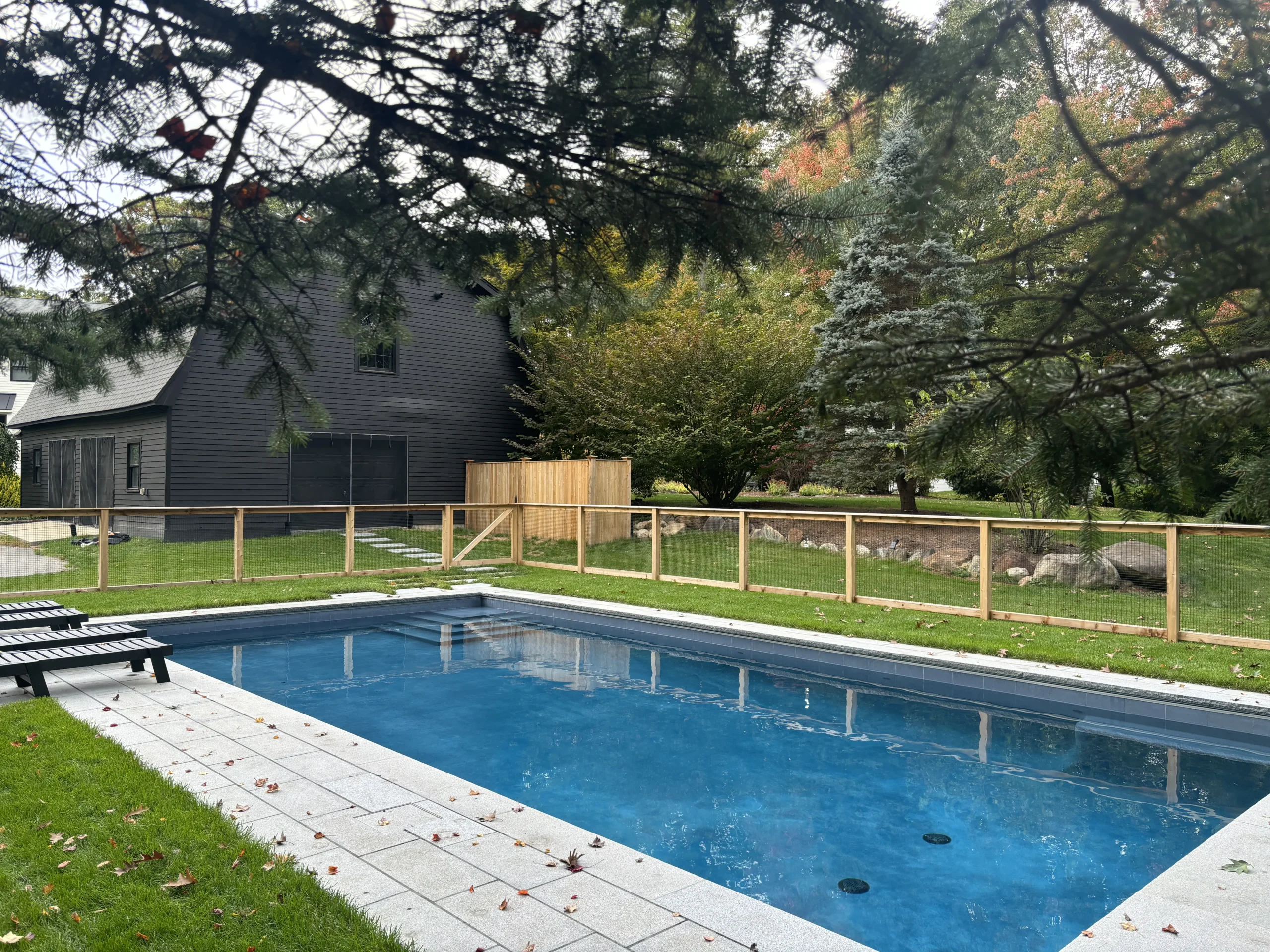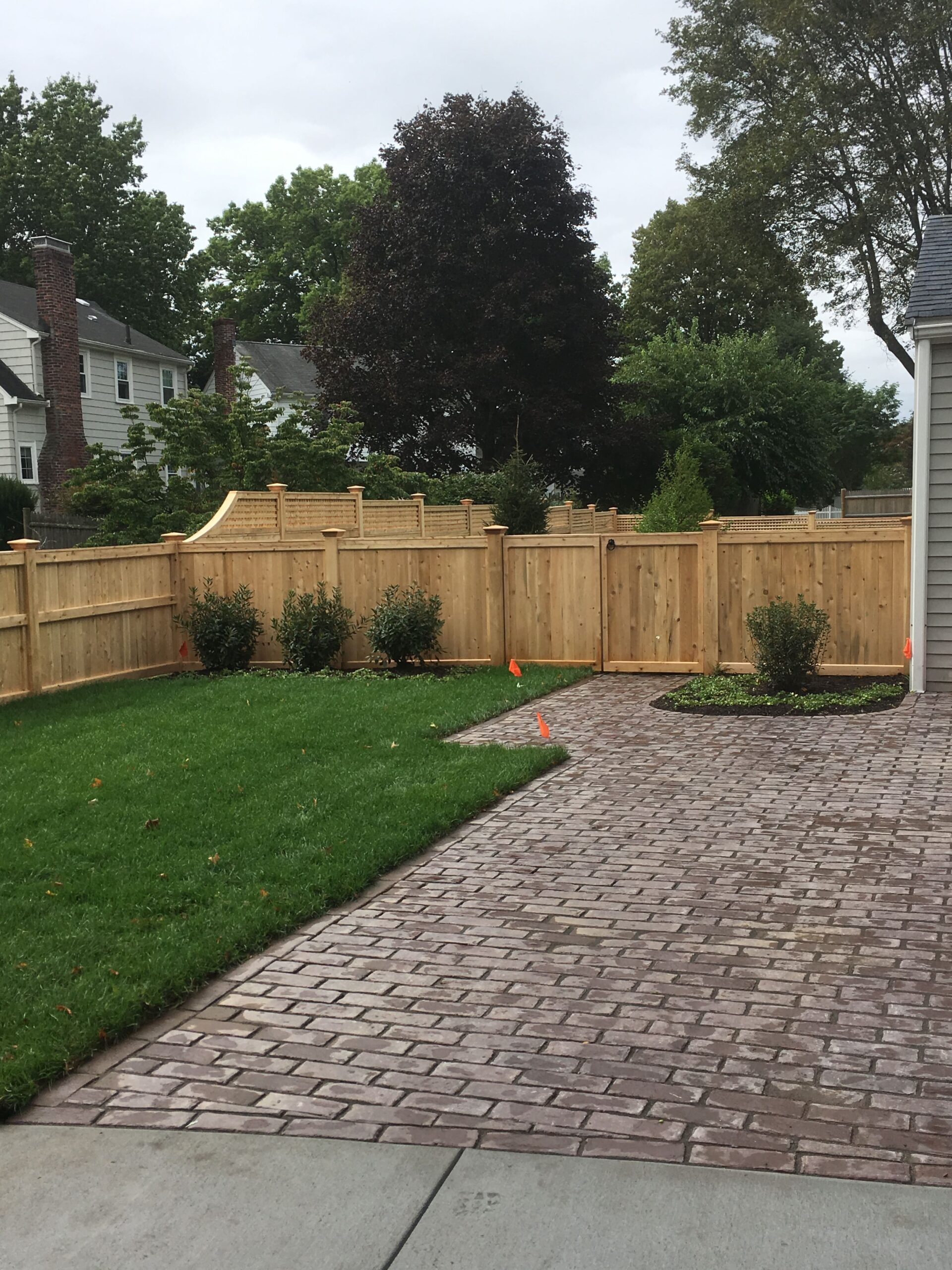

Your Trusted Project Partner


Our lawn installation services cover everything that happens before and after the grass goes down, because most lawn failures start in the soil. We strip out old turf and weeds, break up compacted ground, correct grades so water drains away from the house and spread a layer of screened loam. Then we install sod for an instant lawn or seed for a lower-cost one, depending on your timing and budget. New lawns often follow a pool build, a septic replacement or a landscape renovation, but we are just as happy to replace one worn-out front yard.
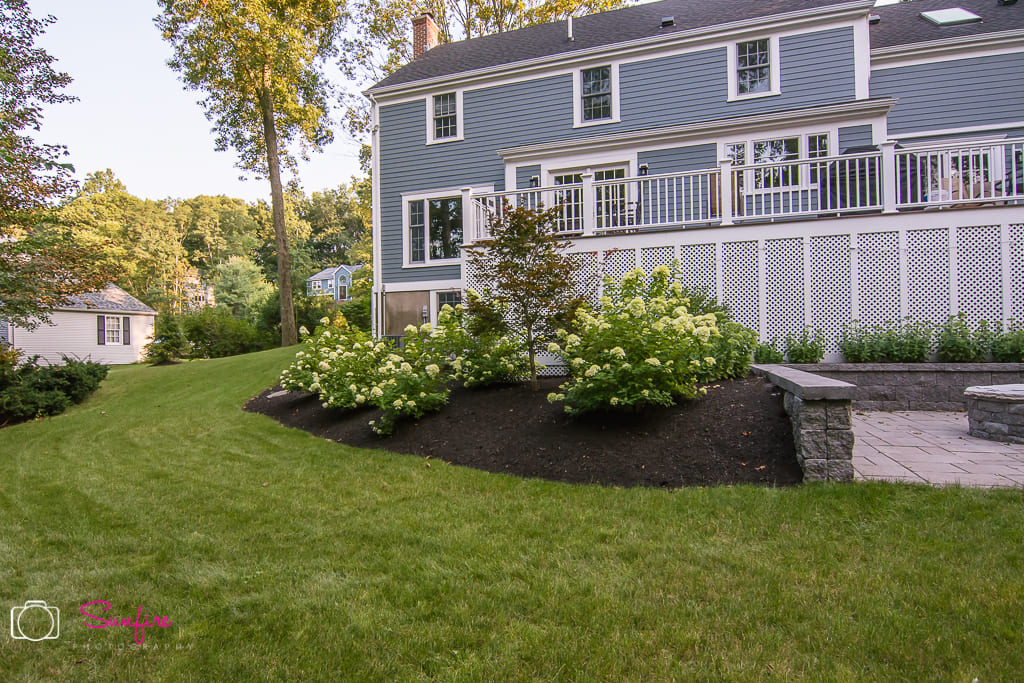
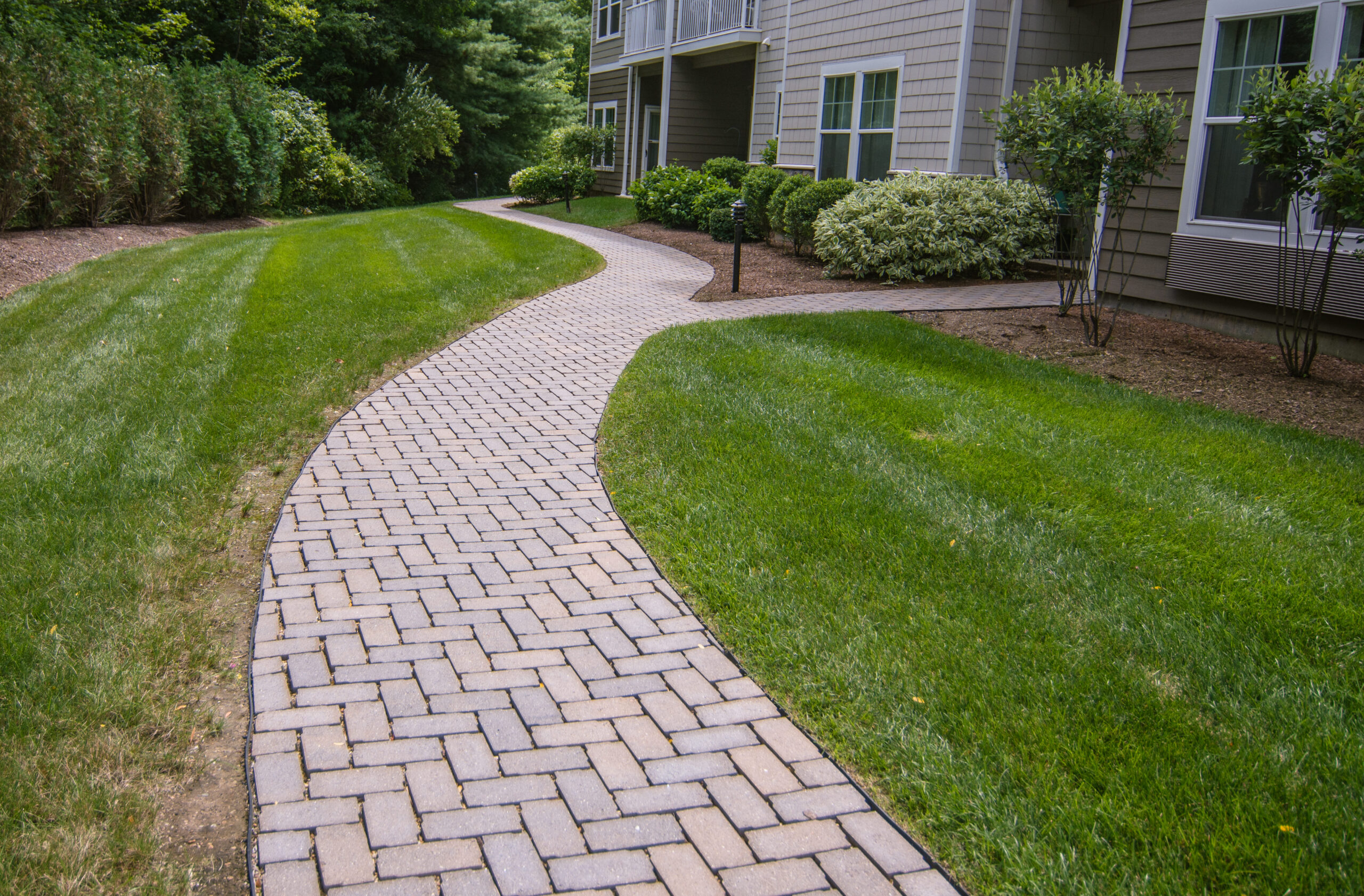
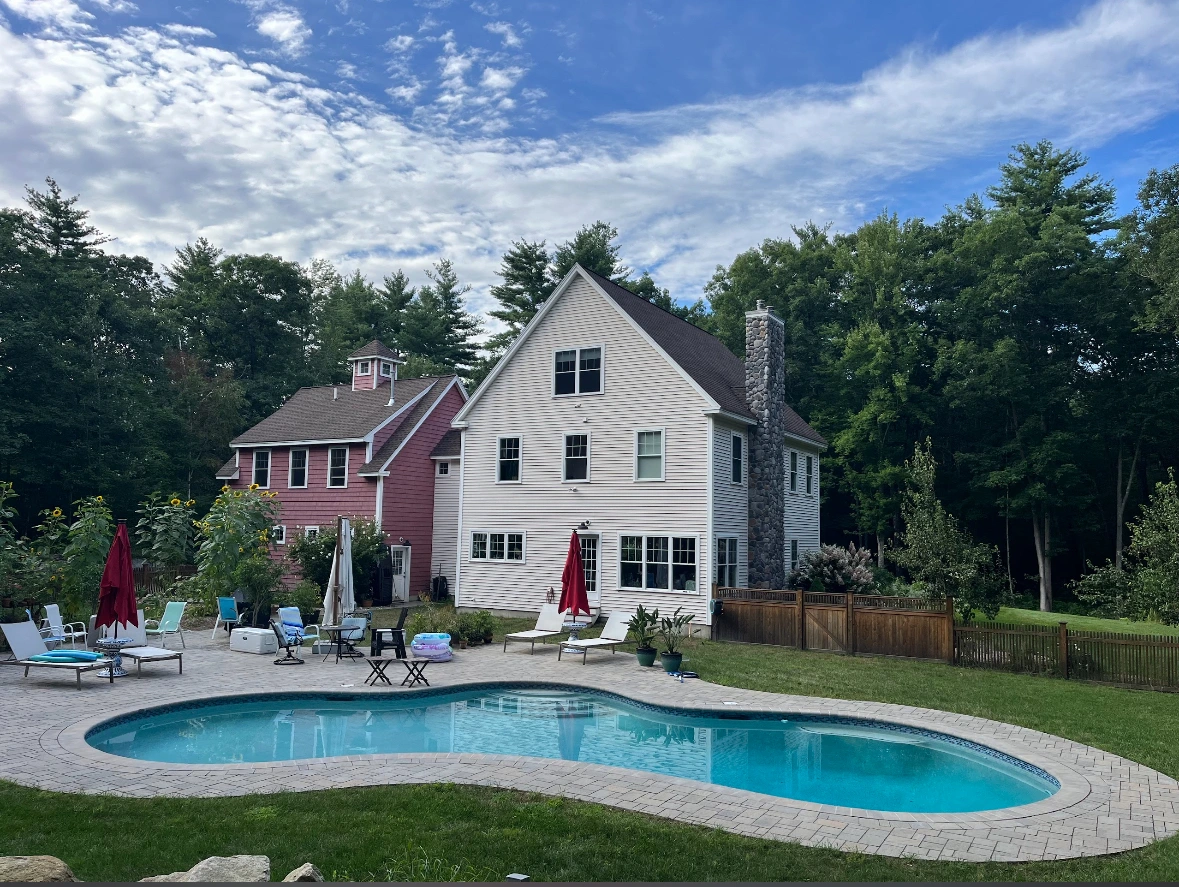
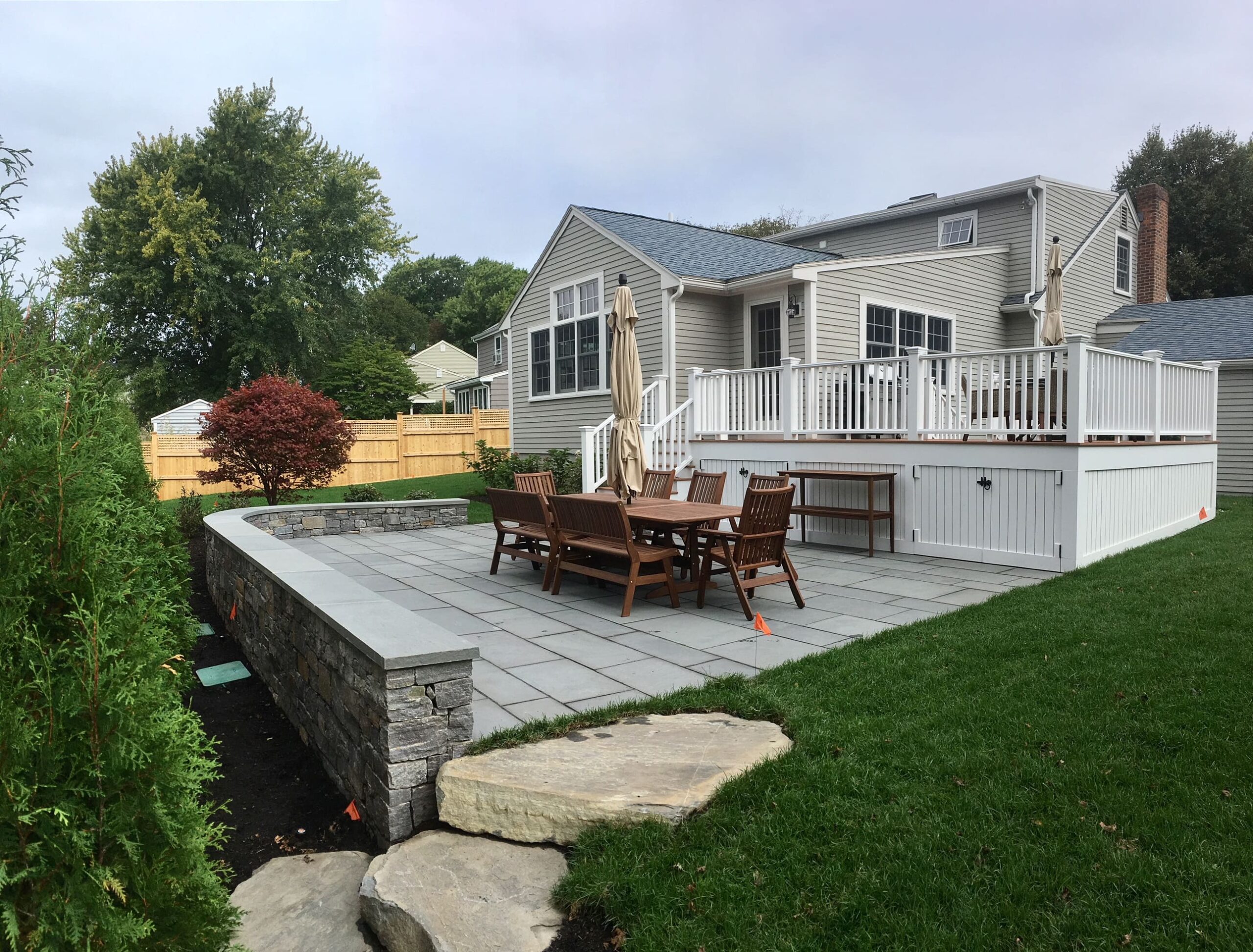
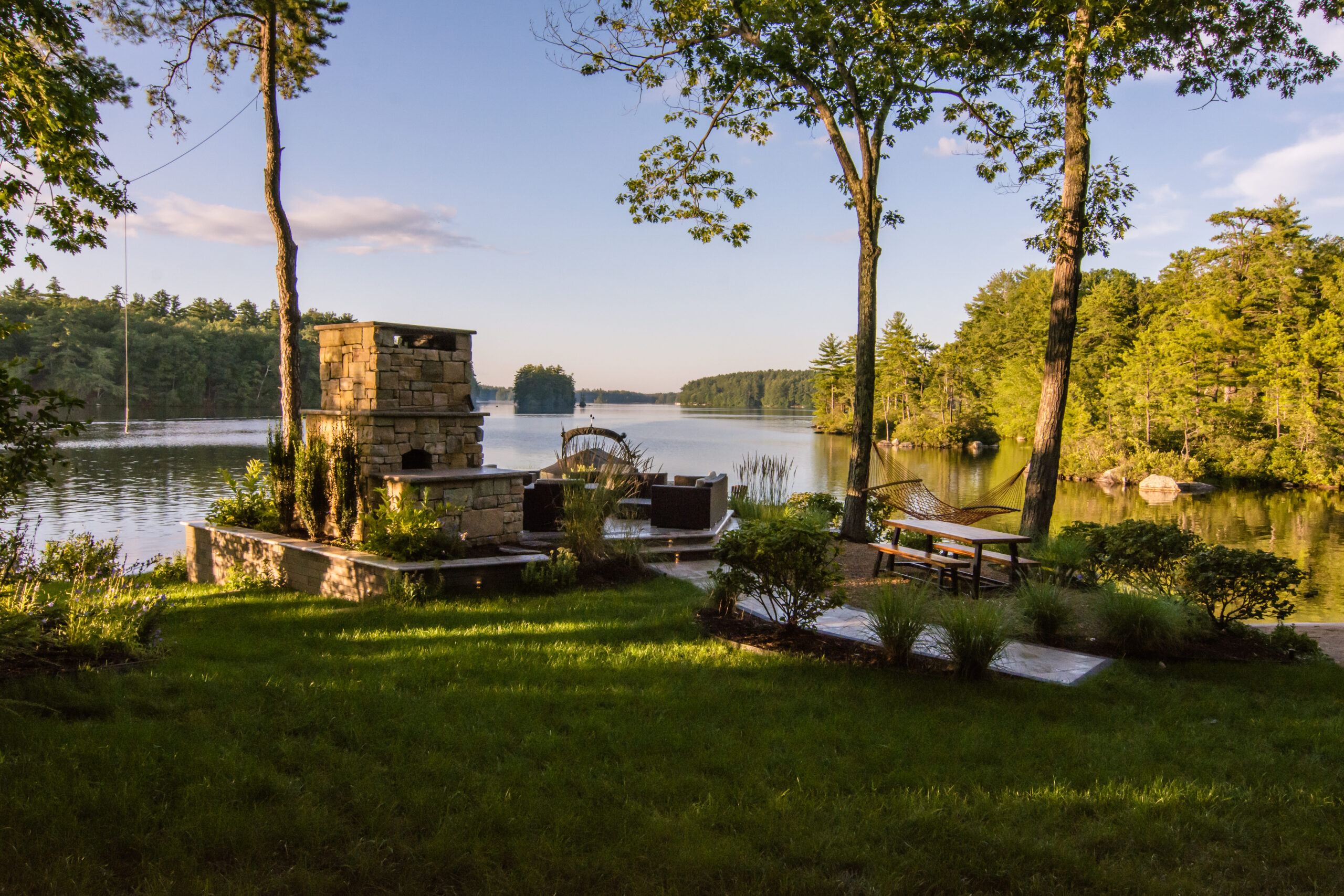
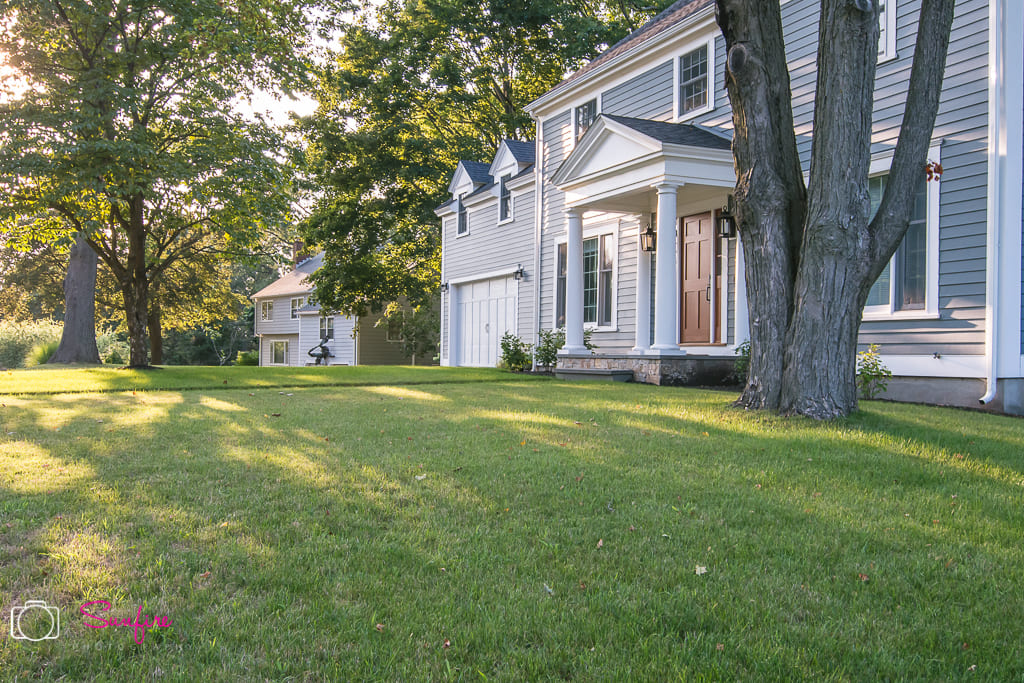
A healthy lawn ties a property together. The projects below include new turf alongside patios, beds and walls our team installed. There is more to see in the gallery.
A lawn is only as good as the ground under it. These are the shortcuts that lead to a thin lawn, and how careful preparation avoids them.
We install new lawns for homes in Westford, Chelmsford, Dracut, Tewksbury, Londonderry, Merrimack, Hudson and Pelham, plus surrounding towns in both states. Soil varies a lot across the region, from sandy ground to heavy, stony fill, so we adjust the prep to what we find when we dig. Small front lawns are welcome.
// Areas We Serve
We work with homeowners across northeastern Massachusetts and southern New Hampshire. Pick your town to see local details, or ask us if yours is not listed.
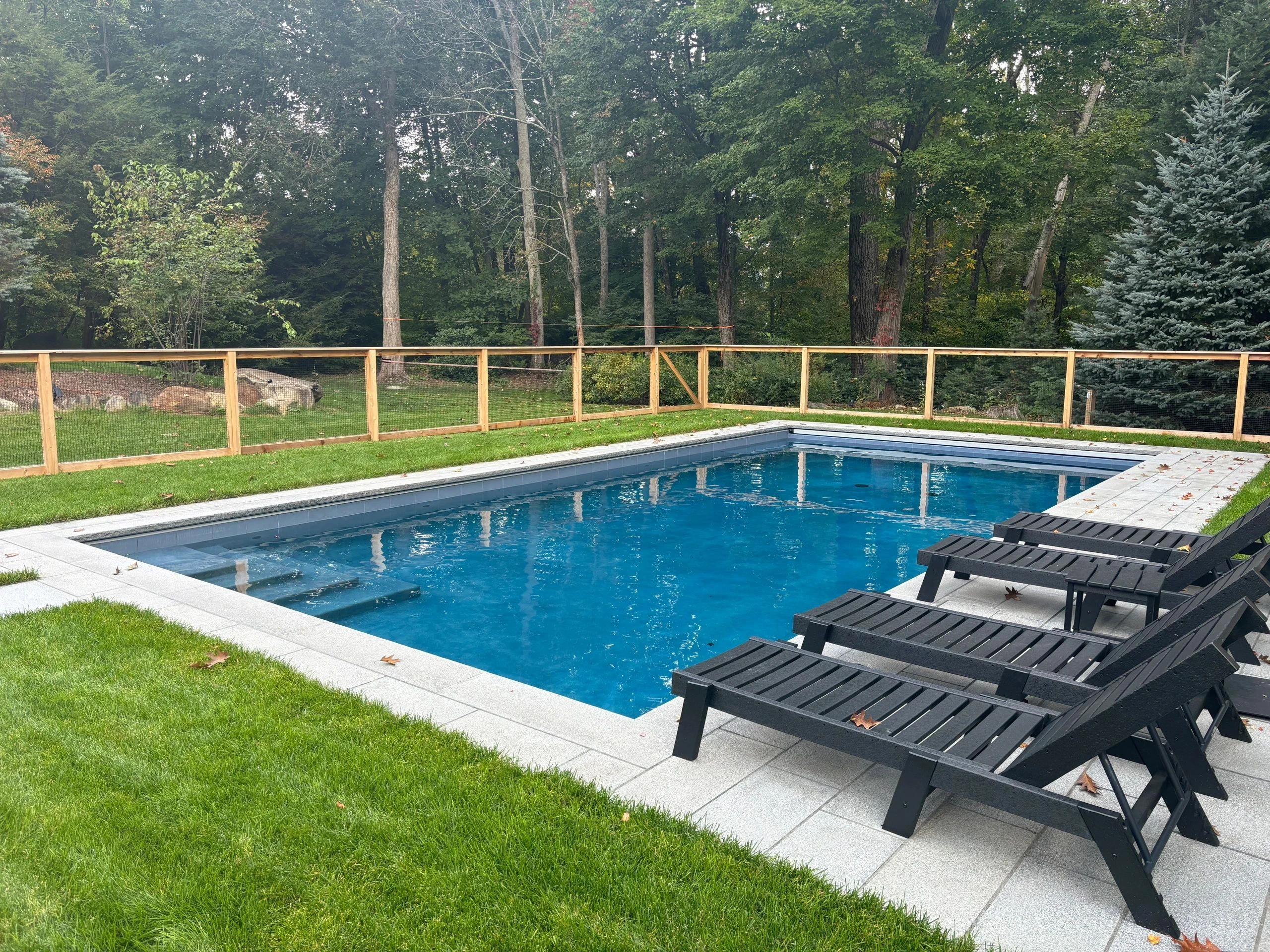
We start by removing old grass and weeds and clearing out stones and roots. The subsoil is loosened, grades are shaped so water runs off, and screened loam is spread and rolled to a smooth finish. A soil test guides lime and starter fertilizer, since many New England soils run acidic. Sod is laid in staggered rows with tight seams, or seed is spread and lightly covered. Either way, the lawn is watered in that day, and we explain how to keep it moist until the roots take hold.
Why Mountainscapes
Lawn work is mostly earthwork. Site grading and excavation are a core part of what our team does, so the shaping and drainage under your lawn get as much attention as the grass on top.

Worn grass, weeds and roots are stripped out so the new lawn is not competing with what was there before.

Screened loam spread to a proper depth, with lime and starter fertilizer added based on a soil test.

The surface is raked and rolled smooth with a gentle slope that carries water away from the house.

Fresh-cut sod laid in tight, staggered rows for a finished lawn on day one, ideal for busy family yards.
A cool-season seed blend matched to sun or shade, spread and covered for a lower-cost lawn that fills in over time.

We water the new lawn on install day and leave clear guidance on watering, first mowing and feeding.
Is sod or seed better for lawn installation?
Sod gives you a finished lawn right away and resists erosion and weeds from the start, but it costs more. Seed costs less and lets you pick a blend for sun or shade, but it takes longer to fill in. For large or sloped areas, hydroseeding is a middle option worth comparing.
When is the best time to put in a new lawn in New England?
Late summer into early fall is the best window for seeding, since the soil is warm, nights are cool and weeds slow down. Spring works too. Sod can go down through most of the growing season as long as it gets enough water, though midsummer heat makes that harder.
How much loam does a new lawn need?
Enough to give roots a deep, loose layer to grow into. Thin topsoil over hard subsoil is the most common reason new lawns brown out in dry spells. We check what is already on site and add screened loam where the existing soil is too thin, stony or compacted.
How often should I water new sod or seed?
New seed needs light, frequent watering so the surface never dries out. New sod needs deeper watering so moisture reaches the soil below the roll. Once roots take hold, you water less often but more deeply. We leave written guidance that suits your lawn and the season.
Can you install a lawn after a pool or construction project?
Yes, and it is one of the most common times to do it. Machines compact the soil and leave debris behind, so we loosen and regrade the ground before loaming. If we handled your pool build or new patio, the lawn becomes the final step of the same project.
Do you fix bumpy or uneven lawns?
Yes. Minor dips can sometimes be topdressed, but most uneven lawns come from poor grading underneath. In that case we strip the turf, regrade and start fresh. If water also collects in low spots, drainage work may be part of the fix.