
Your Trusted Project Partner


Our hydroseeding services spray a wet mix of grass seed, wood or paper fiber mulch, fertilizer and water onto prepared soil in one even coat. The mulch holds moisture around the seed and helps keep it from washing away, which is why hydroseed works so well on slopes and large open areas. A green dye in the mix shows exactly where it has landed, so no strip gets missed. It typically costs less than sod and comes up more evenly than hand seeding. Hydroseeding is a natural fit for new house lots, cleared land and the bare ground left after excavation or land clearing.
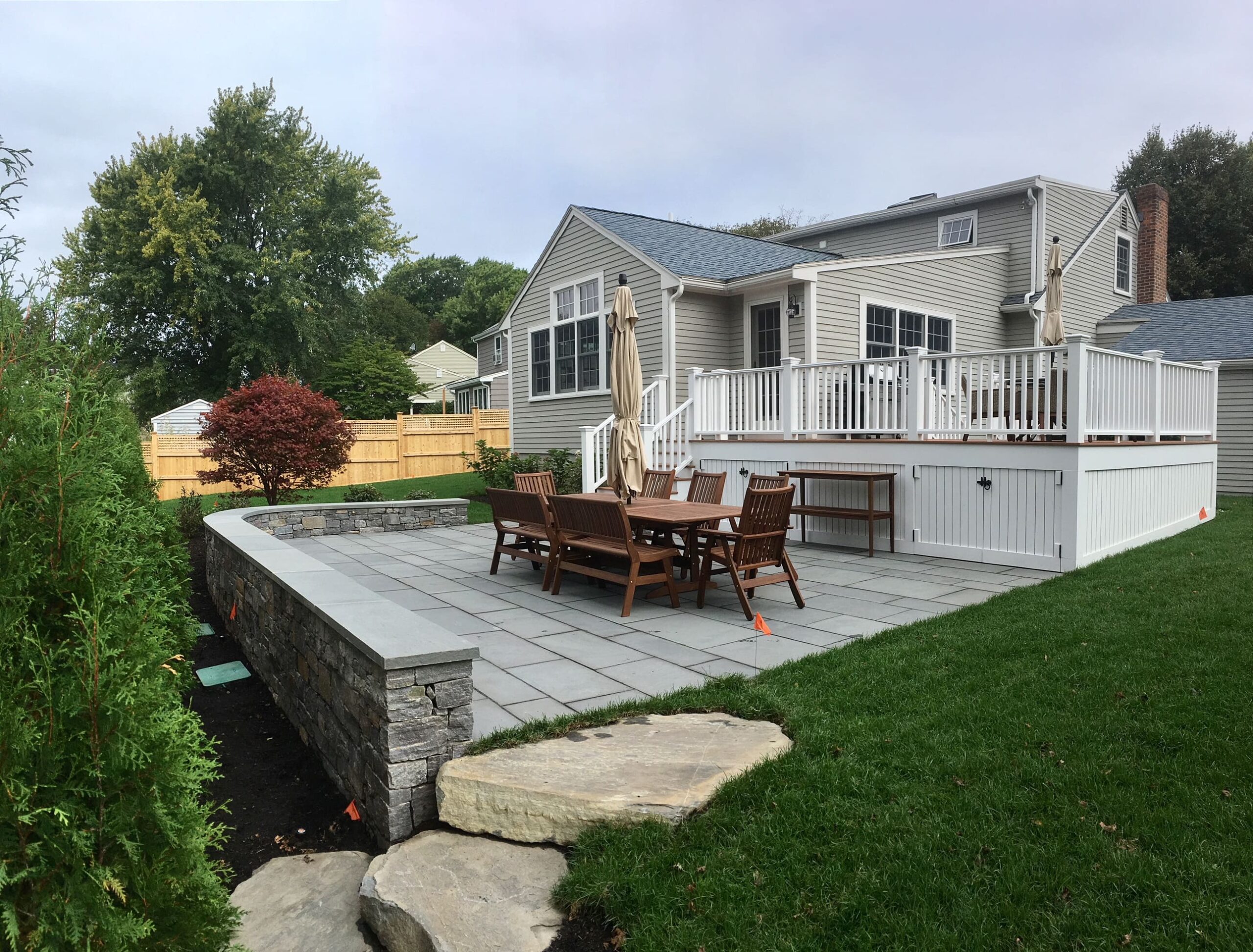
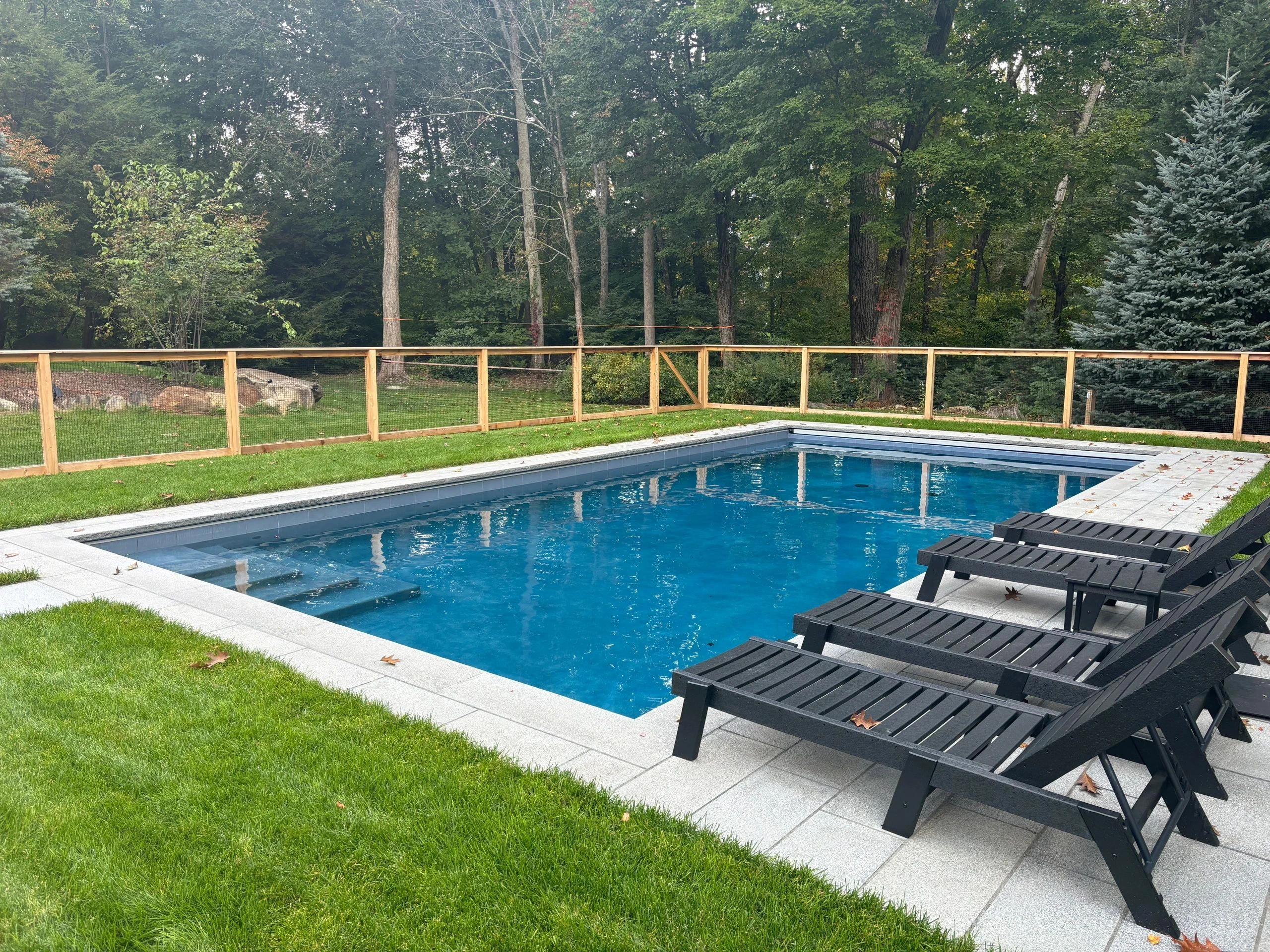
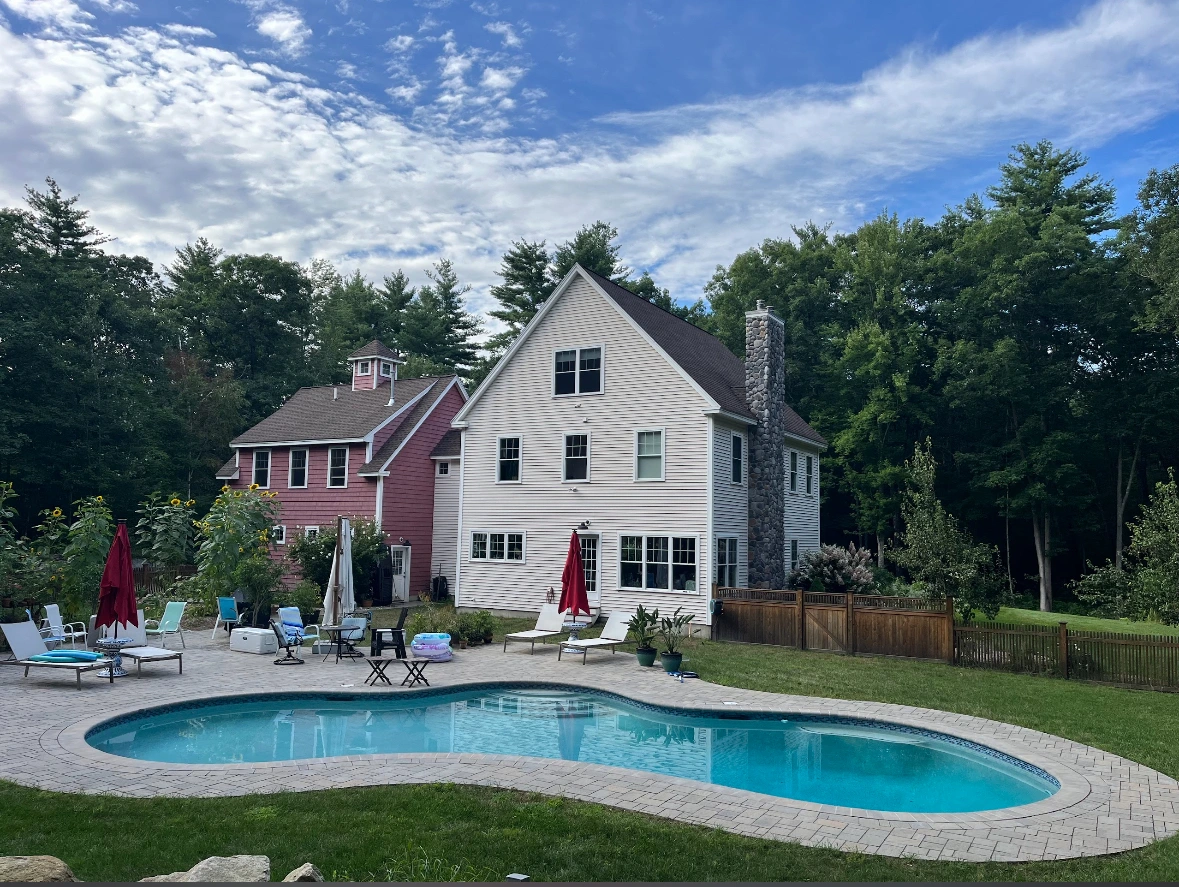
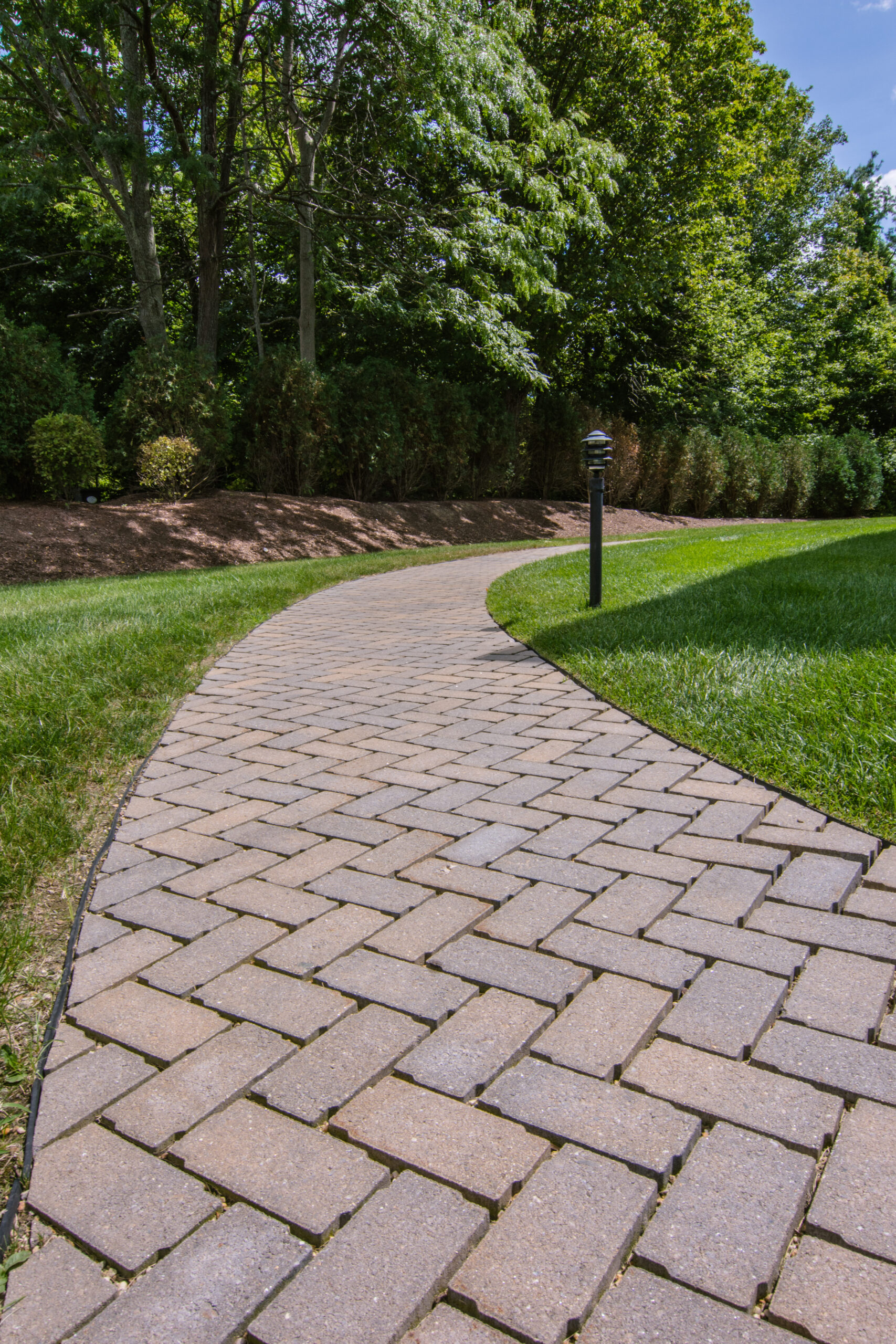
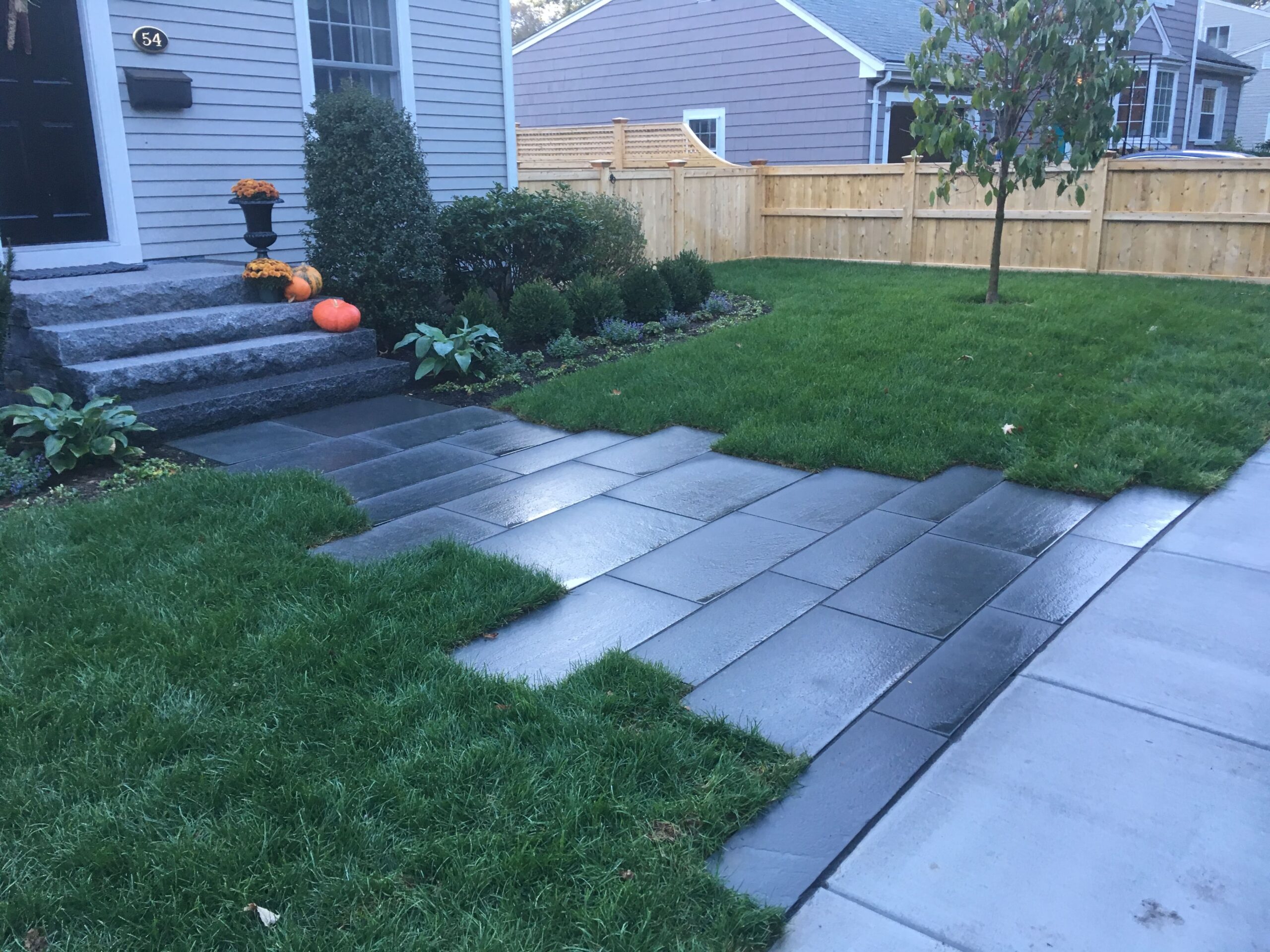
Below are lawns, plantings and stonework from properties our crews have completed. Hydroseed is often the last thing that happens on a site, once the heavy work is done. See more in our project gallery.
Hydroseeding solves a specific set of problems that sod and hand seeding handle less well. Here is where it earns its place.
Hydroseeding suits larger, open lots and new house sites in towns such as Groton, Pepperell, Harvard, Hollis, Amherst, Kingston, Atkinson and Plaistow. The mix is pumped from a tank, so the equipment needs to get reasonably close, but long hoses carry it to back corners and banks. Smaller patches are welcome too.
// Areas We Serve
We work with homeowners across northeastern Massachusetts and southern New Hampshire. Pick your town to see local details, or ask us if yours is not listed.
Good results still depend on the ground. We clear rocks and debris, grade the area so water sheds evenly and spread loam where the soil is thin. Then the slurry is mixed in the tank: seed chosen for sun or shade, fiber mulch, starter fertilizer and, on slopes, a binder that helps it stick. It is sprayed in overlapping passes until the whole area is evenly green. After that, regular watering matters more than anything else, and we leave a clear routine to follow until the grass is ready for its first mow.
Why Mountainscapes
Spraying is the quick part. What makes hydroseed thrive is the grading and soil work beforehand, which is core to what our excavation and landscape crews do on every site.

Hydroseed usually costs much less than sod, and the savings grow as the area gets larger.

Sod looks finished on day one. Hydroseed sprouts over the following weeks and needs a season to thicken up.

Mulch and binder hold soil in place on banks where sod might slip and loose seed would wash away.

Cool-season grasses suited to New England, mixed for full sun, part shade or rougher, low-mow areas.

Hydroseed wants steady moisture while it sprouts, lighter and more often than sod, until roots are established.

A fast way to cover bare soil after building work, cutting dust, mud and runoff around the house.
Is hydroseeding better than sod?
Neither wins everywhere. Sod costs more but gives instant results, which suits small, busy yards. Hydroseed costs less and works well on large areas and slopes, but you wait for it to grow in. Many properties use both: sod near the house and hydroseed beyond it. Our lawn installation page covers sod in more detail.
How long does hydroseed take to grow?
It depends on the seed blend, the temperature and how well it is watered. Some grasses sprout quickly while others take longer, and the lawn keeps thickening through its first season. Warm soil and steady moisture speed things up, which is why late summer and early fall are such good times to hydroseed.
Does hydroseed work on steep slopes?
Yes, it is one of the best uses for it. The fiber mulch and binder cling to the slope and slow runoff while roots develop. Very steep banks may need erosion control blankets or a retaining wall instead. We look at the grade and soil before recommending an approach.
What affects the price of hydroseeding services?
Price depends on the size of the area, how much grading and loam the ground needs and how easy it is to reach. Per square foot, hydroseed is typically far cheaper than sod, which is why it is popular for big yards and new lots. We price the job after seeing the site.
Can I walk on hydroseed after it is sprayed?
Keep people and pets off it as much as you can until the grass is established and has been mowed a few times. Foot traffic breaks up the mulch layer and disturbs the seed. Stepping on it briefly to move a hose will not ruin it.
Do you hydroseed after construction or clearing?
Yes. Bare soil after a build or tree removal erodes easily, and hydroseed stabilizes it quickly. Where a conservation commission has approved work near wetlands, stabilizing disturbed soil is often one of the conditions, and hydroseed is a common way to meet it. See our site grading page for the prep side.